People
Practitioners and thinkers.
-
Professor of Geocomputation at the University of Glasgow who builds spatial agent-based models and works on urban digital twins of populations.
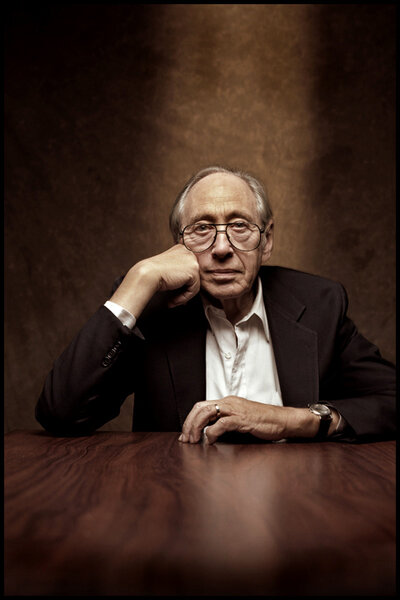
American writer and futurist (1928 to 2016), author with Heidi Toffler of Future Shock, which proposed anticipatory democracy: public forecasting joined to citizen participation.
-
Geographer at the University at Buffalo who builds agent-based models tied to real places through GIS, and co-wrote a practical primer on the method.
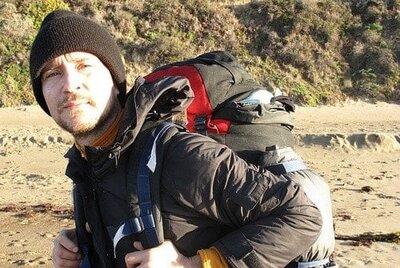
Creative technologist who started this wiki in October 2026 and decides what is promoted from draft to public.
-
French philosopher and political economist (1903 to 1987) who started Futuribles and argued in The Art of Conjecture that the future can be conjectured but not known.
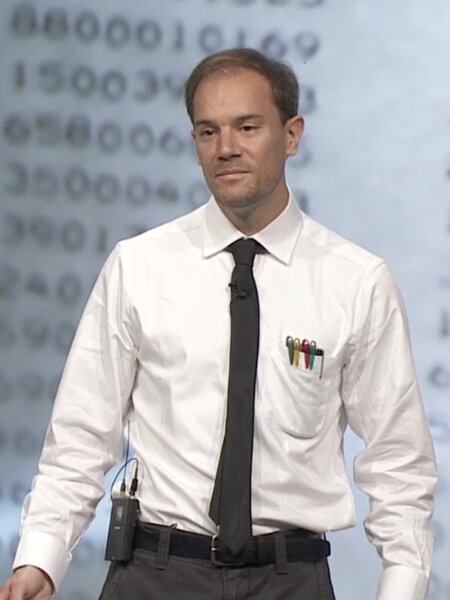
American interface designer who named explorable explanations and argued that public debate should rest on models readers can see and change; he founded Dynamicland.
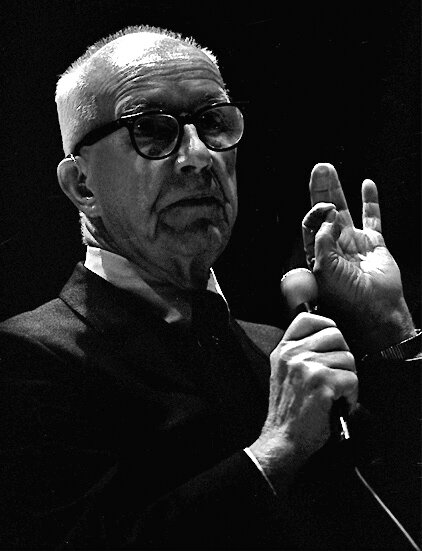
American architect, designer and systems theorist (1895 to 1983) whose World Game had players use world data to plan how resources could serve all of humanity.
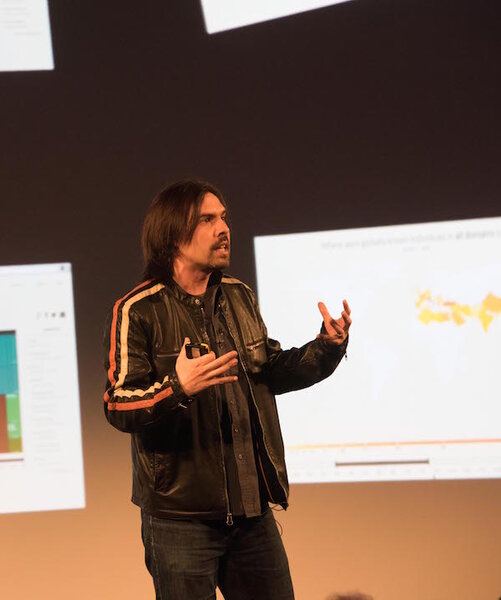
Chilean physicist who founded the study of economic complexity and built public data sites such as the Observatory of Economic Complexity and Data USA.
-
American political scientist and futurist who edited Anticipatory Democracy and co-founded the Institute for Alternative Futures.
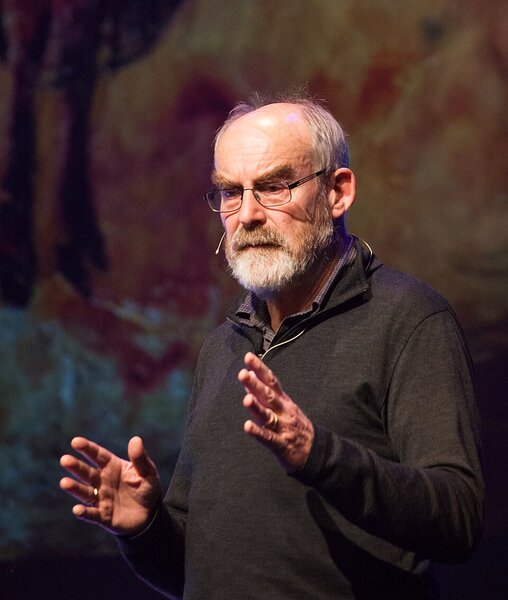
Welsh researcher in knowledge management and complexity who created the Cynefin framework for telling ordered, complex and chaotic situations apart.
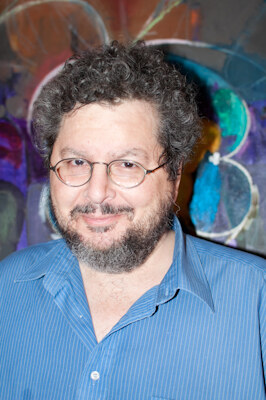
Yale computer scientist whose book Mirror Worlds described a live software model of a city or organisation, decades before the term digital twin.
-
Condensed-matter physicist and advocate of emergence who helped found the Santa Fe Institute, recruiting Murray Gell-Mann and organising its 1984 founding workshops.
-
American environmental scientist (1941 to 2001), lead author of The Limits to Growth and of Thinking in Systems, known for her list of leverage points.
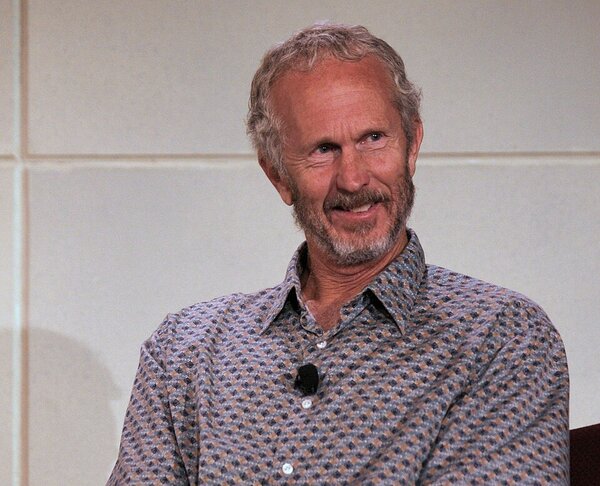
American complex systems scientist, a pioneer of chaos theory and econophysics, who builds agent-based simulations of whole economies at Oxford and at Macrocosm.
-
NASA Langley materials and structures researcher who, with D. S. Stargel, set out the digital twin paradigm for aircraft and spacecraft in 2012.
-
CIRAD researcher in Montpellier who works on agent-based models of social-ecological systems and was a signatory of the 2003 charter of companion modelling.
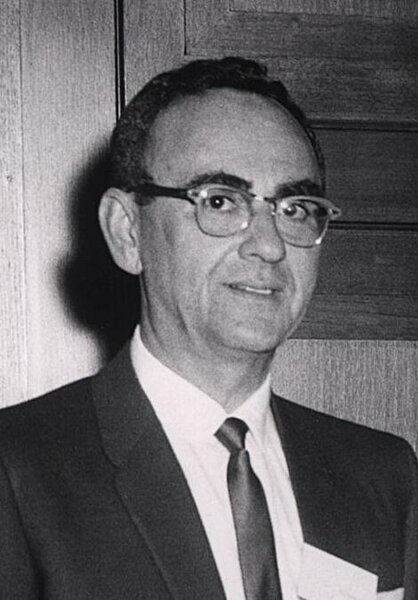
Los Alamos chemist and Manhattan Project veteran who led the founding of the Santa Fe Institute and was its first president, from 1984 to 1991.
-
Lancaster University computer scientist in distributed systems who turned to environmental data science and wrote an influential 2021 piece on digital twins of the natural environment.
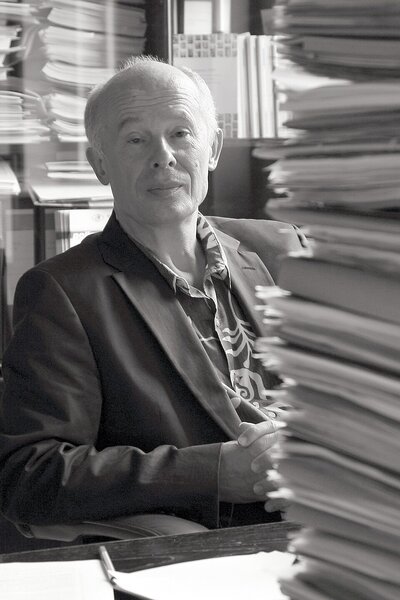
German physicist who founded the Potsdam Institute for Climate Impact Research and led it from 1992 to 2018; known for work on tipping elements in the climate system.
-
German design theorist (1930 to 1990) at Berkeley and Stuttgart who, with Melvin Webber, set out wicked problems in planning and devised the IBIS method.
Writer and teacher on systems, design and futures, with the MA in Sustainable Design program at Minneapolis College of Art and Design.
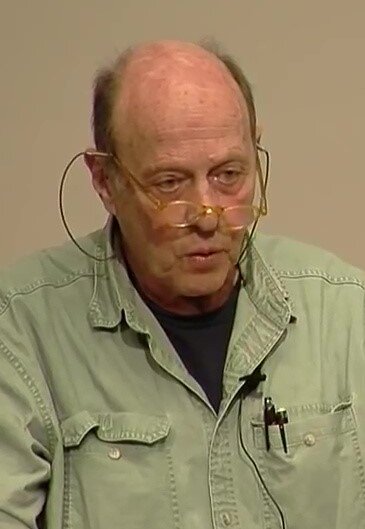
Yale political scientist and anthropologist (1936 to 2024) whose Seeing Like a State studied how simplified views from above fail the places they reorder.
-
Coastal systems ecologist at the University of Connecticut who built simulation models of estuaries and, with Stephen Lansing, of Bali's water temple networks.
-
American engineer and MIT professor (1918 to 2016) who founded system dynamics and used it to model a firm, a city and the whole world.

Librarian, taxonomist and ontologist who teaches the Ontology Pipeline, a staged method for building vocabularies, taxonomies, ontologies and knowledge graphs.
-
American futurist, long director of the Hawaii Research Center for Futures Studies, known for four generic images of the future used in scenario work.
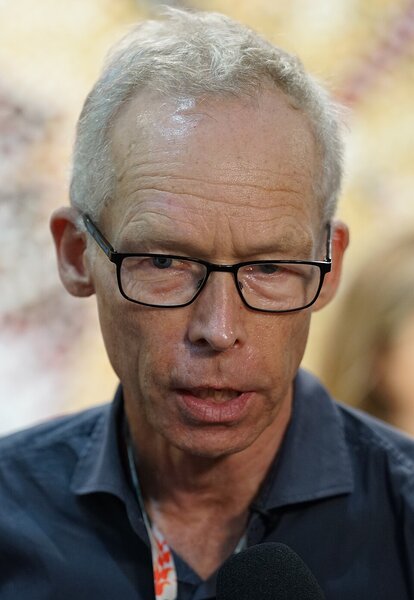
Swedish Earth system scientist who led the team behind the planetary boundaries framework in 2009; joint director of the Potsdam Institute for Climate Impact Research.
-
Director of the MIT System Dynamics Group, author of the textbook Business Dynamics, who builds interactive simulations for learning about complex systems, including climate policy.
-
Computer scientist who introduced generative agents, language-model characters with memory and plans, and builds population-scale simulations of people; he founded Simile.
-
Epidemiologist at New York University and a pioneer of agent-based modelling; co-author of Sugarscape and author of Generative Social Science.
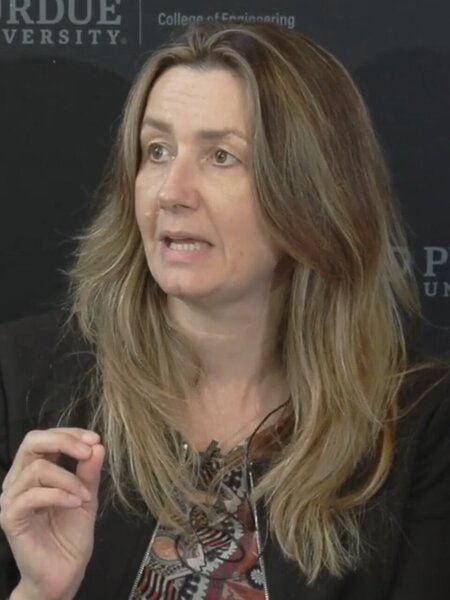
Computational engineer who directs the Oden Institute at UT Austin; works on reduced-order and multifidelity models and the mathematical foundations of digital twins.
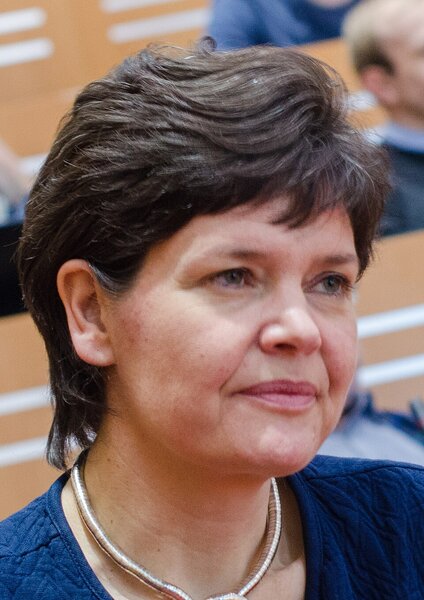
English economist who created the Doughnut of social and planetary boundaries and co-founded Doughnut Economics Action Lab.
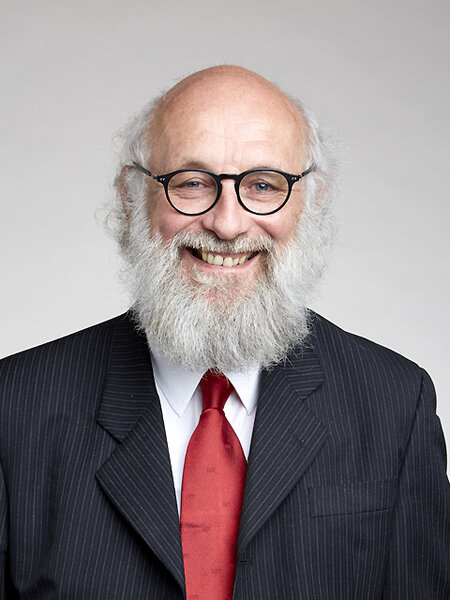
British hydrologist at Lancaster who co-originated TOPMODEL and devised the GLUE method for the uncertainty of environmental model predictions.
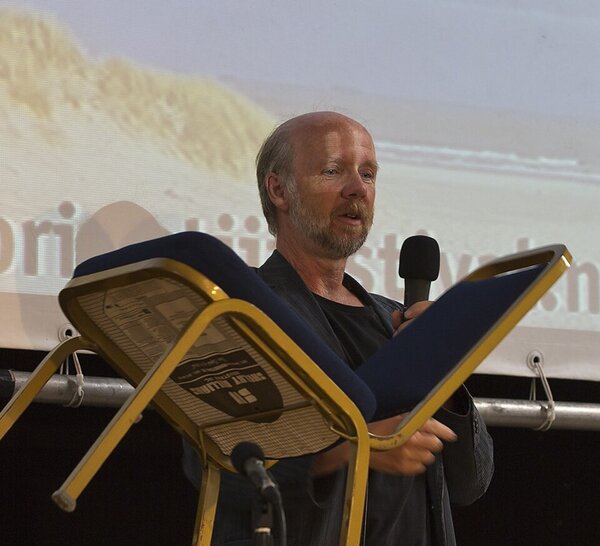
Dutch ecologist at Wageningen who studies critical transitions in complex systems and led the 2009 review of early-warning signals for tipping points.
-
Berkeley urban planning theorist (1920 to 2006) who described cities as networks of linkages and, with Horst Rittel, defined wicked problems in public policy.
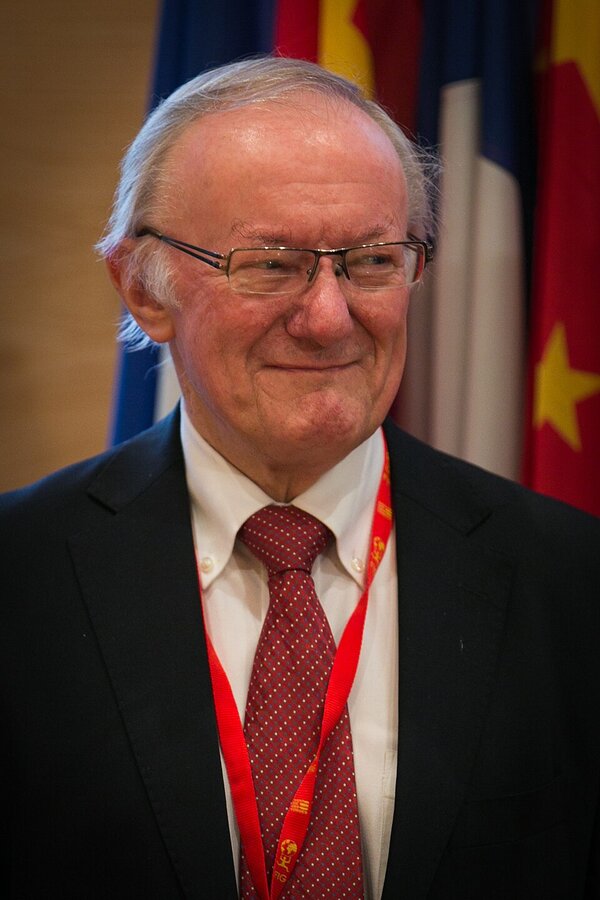
British urban modeller, Bartlett Professor of Planning at UCL and chair of CASA, whose books set out the bottom-up, complexity view of cities.
-
Stanford computer scientist who studies how computing shapes social behaviour and co-created generative agents, simulations of people built on language models; a co-founder of Simile.
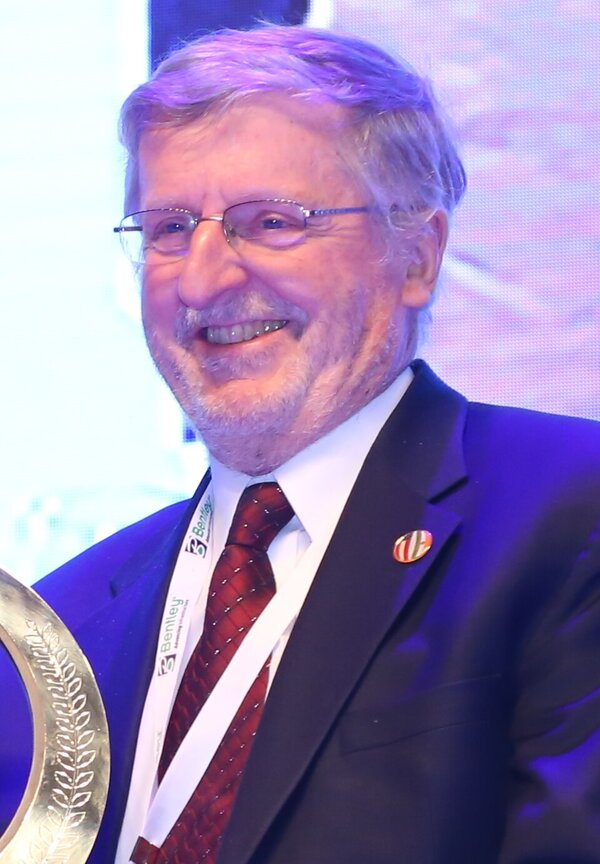
British-American geographer at UC Santa Barbara, a founder of geographic information science, who coined "volunteered geographic information".
-
American product lifecycle management expert who introduced the idea of a digital twin of a physical product and later gave it its name in a book.
-
INRA plant ecologist in Avignon who modelled Mediterranean sylvopastoral systems, led companion modelling work across France and edited the 2014 book on the approach.
Distinguished Fellow at the Institute for the Future, who reads widely in Earth system modelling and sends what he finds.
-
NASA Ames researcher on human and automation interaction who chaired the 2010 NASA modelling and simulation roadmap that defined a digital twin.
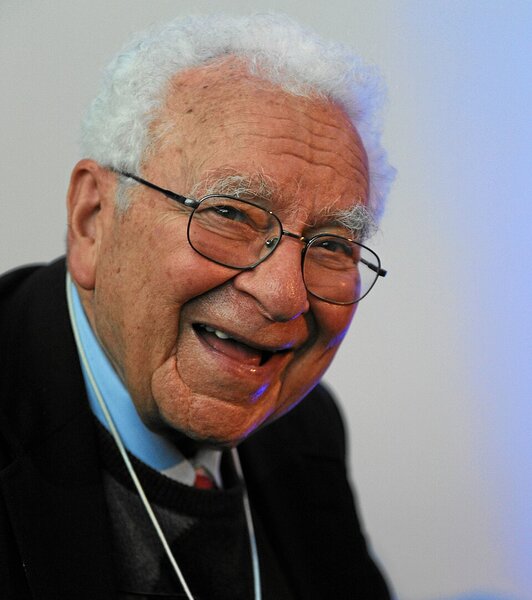
Physicist who won the 1969 Nobel Prize for classifying elementary particles, proposed quarks, and in 1984 co-founded the Santa Fe Institute and its study of complex systems.
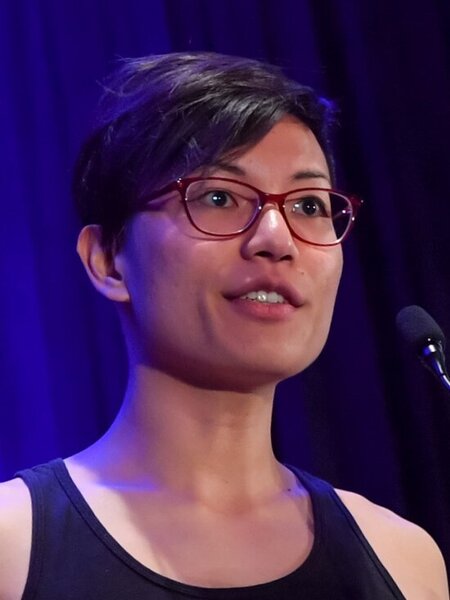
Canadian game developer and web designer whose playable explainers, all in the public domain, let readers run simple simulations of social systems.
-
Water scientist at INRAE in Montpellier who builds agent-based models and role-playing games for negotiated water management; first author of the companion modelling charter.
-
Historian of science and technology who wrote A Vast Machine, on how climate data and climate models depend on each other.
-
Professor Emeritus of City and Regional Planning at UC Berkeley who led the development of UrbanSim, a land-use model used by regional planners.
-
Stanford computer scientist, co-author of the generative agents work that simulates people with language models, and a co-founder of Simile.
-
Computational social scientist at George Mason University who built Sugarscape, the model behind Growing Artificial Societies (1996), with Joshua Epstein.
-
Theoretical biologist (1934 to 1998) whose book Anticipatory Systems defined a system that carries a predictive model of itself and acts on what the model says.
-
Philosopher and sociologist at the University of Trento who holds the first UNESCO Chair in Anticipatory Systems and edited the Handbook of Anticipation.
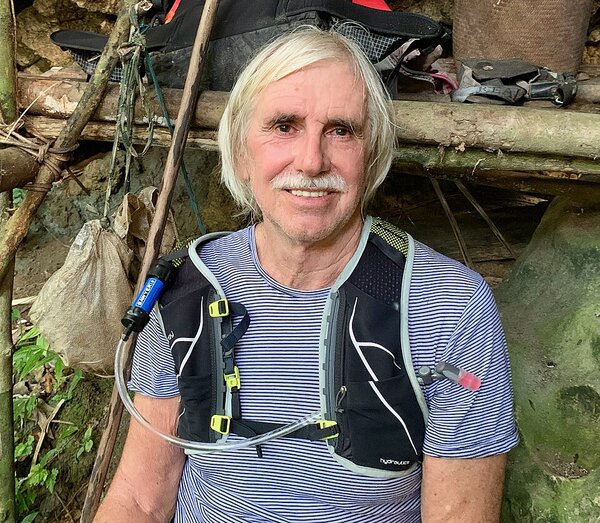
Anthropologist and complexity scientist whose model of Bali's water temple networks, built with James Kremer, showed how farmers' local choices can coordinate a watershed.
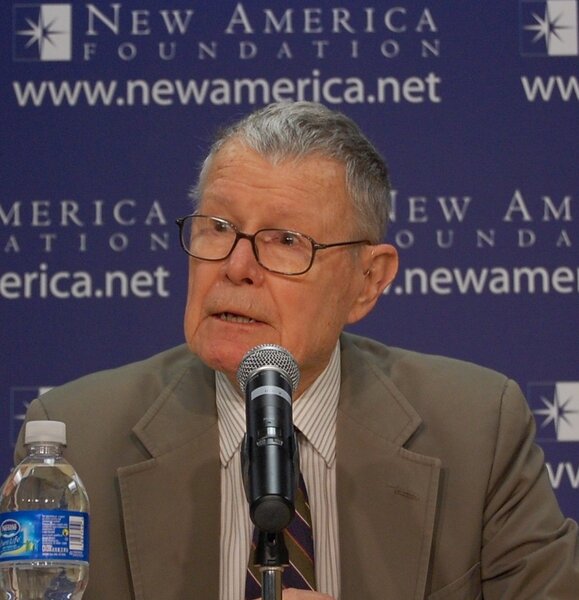
American economist and 2005 Nobel laureate whose 1969 and 1971 papers showed how mild preferences about neighbours can tip a mixed area into segregation.
-
Earth system scientist at the University of Exeter, known for identifying climate tipping points and for models of the biosphere, climate and biogeochemical cycles.
-
Learning scientist and computer scientist at Northwestern University who created NetLogo in 1999, the agent-based modelling environment used widely in classrooms and research.
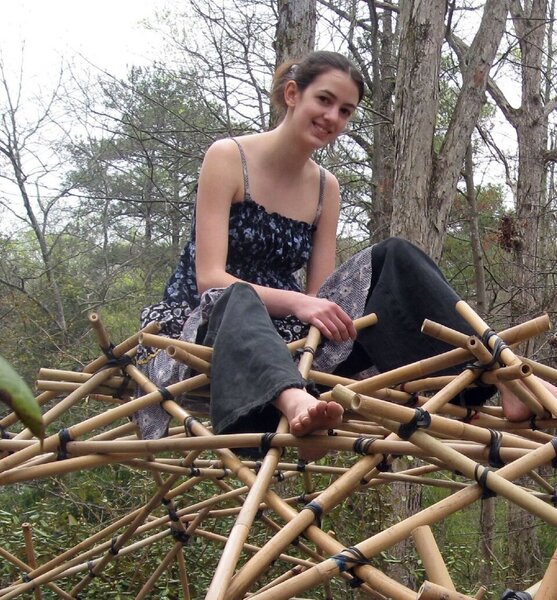
American mathematician and video maker who co-created Parable of the Polygons, a playable version of Schelling's segregation model, and founded the VR research group eleVR.
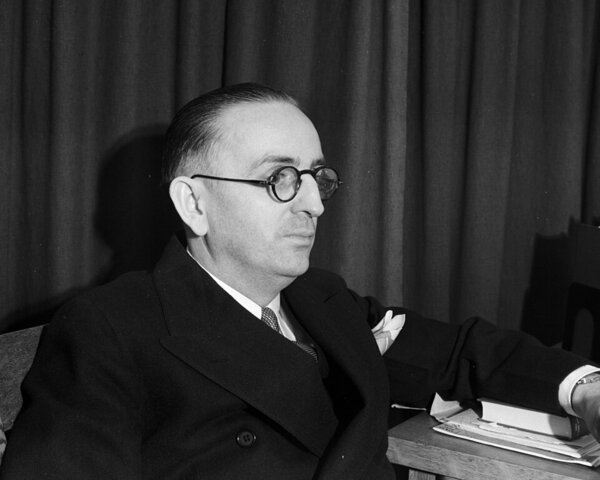
American mathematician and science administrator at the Rockefeller Foundation, whose 1948 essay Science and Complexity described the problems of organized complexity.
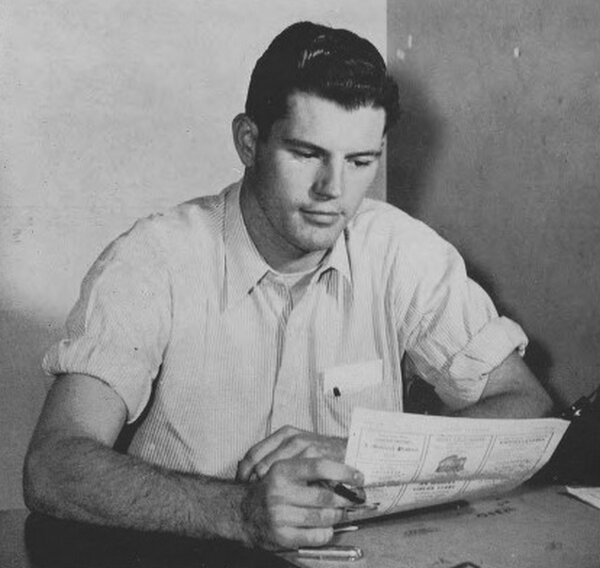
Yale sociologist (1924 to 2019) who helped found futures studies as a field and wrote its two-volume textbook, Foundations of Futures Studies.
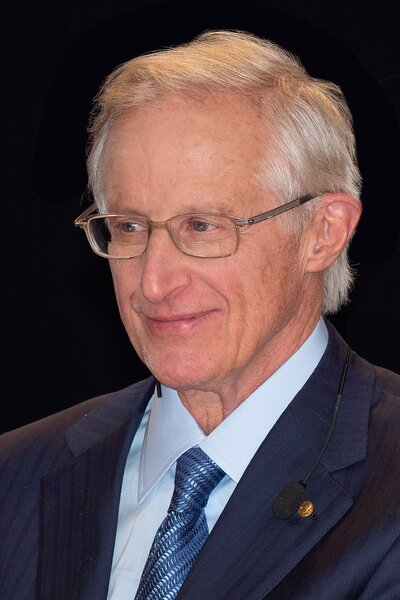
American economist at Yale (1941 to 2026) who built the DICE and RICE models of climate and the economy and shared the 2018 Nobel prize in economics.