Organizations
Companies, agencies, labs, programmes and the sites they run.
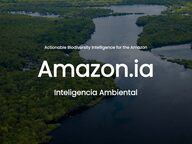
A multi-partner program, launching in 2026 with founding support from the Bezos Earth Fund, that uses field sensors, environmental DNA, satellite data and AI to report on biodiversity and ecosystem condition across the Amazon.
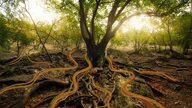
A partnership of Commonland, Ashoka, The Weaving Lab and Wire Group, formed in March 2025, prototyping Bioregional Financing Facilities in three European bioregions.

UCL research centre, founded in 1995, that applies spatial analysis, simulation and visualisation to cities and regions; its GIS course in R is open online.
A not-for-profit community interest company in England and Wales that makes maps, 3D representations and installations from environmental data for partners such as councils, architects and research groups.

Coastal Assembly, a public benefit company out of MIT's Self-Assembly Lab, models how sand moves along a shoreline from satellite, wave, current and seabed data, then places engineered reef structures so that waves rebuild the beach.

Open library where researchers publish the code and documentation of agent-based models of people and ecosystems; models that pass its peer review get a citable DOI.
People & societyLiving systems open sourceopen dataopen participation
Nonprofit founded in 1987 and based in Arlington, Virginia, whose science programme produced Trends.Earth, co-founded Wildlife Insights and mapped the world's irrecoverable carbon.

DAFNI is a UK computing platform for national-infrastructure research; SPARC and the CICI Lab at Arizona State University, led by Wenwen Li, do GeoAI and cyberinfrastructure research for environmental and disaster applications.
Cities & places partly open datapartly open participation
Connected Places Catapult's online community for people working on connected digital twins in the UK, mostly open only to members.
Cities & places partly open participation
-
A research network of social scientists studying the rules and institutions that steer how societies respond to environmental change; it keeps a directory of governance datasets.
-
Ecologists' consortium for forecasting nature days to decades ahead; it runs open challenges, one on US NEON data, that score anyone's forecasts against new observations.
-
Long-term monitoring network that resurveys permanent plots on European mountain summits; its 21 years of data underpin a 2026 Science study reporting rising local extinctions of alpine plants.
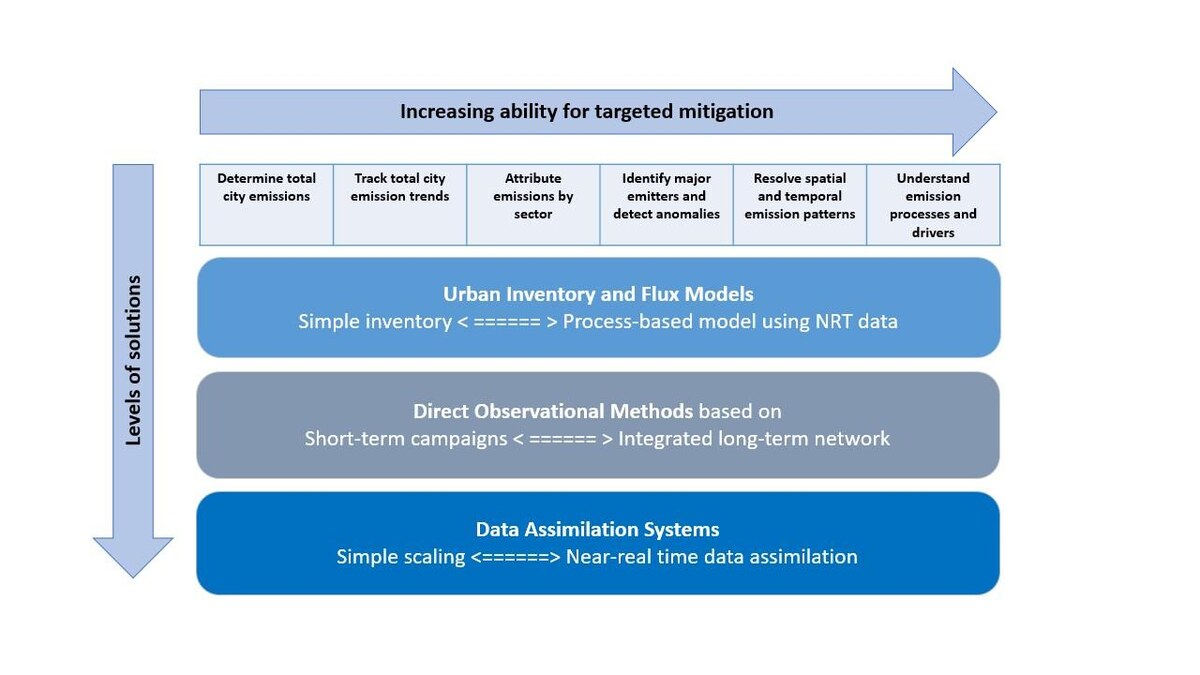
WMO initiative that estimates greenhouse gas emissions and removals for countries, cities and facilities from atmospheric measurements and models, and writes good-practice guidelines for doing so.

UN body set up by WMO and UNEP in 1988 that assesses published climate research for governments; its Interactive Atlas maps regional climate projections from coordinated model runs.
Public benefit organization, based in San Francisco, that connects the communities of a bioregion with regenerative-economy actors and local governments, using blockchain-based tools, a playbook, a funding hub and a seed-exchange programme.
-
Dutch research infrastructure, founded in 2023, that gathers ecological data, models and tools for the Wadden Sea and the Veluwe into virtual labs for building digital twins of ecosystems.
-
NASA's Earth Science Technology Office funds research prototypes of Earth system digital twins, linked models and observations that mirror part of the Earth, forecast it and run what-if scenarios; funded projects cover coastal flooding, farming, wildfire smoke and land hydrology.
Weather & climateWaterFood & landFireCities & places partly open participation
-
A virtual research group, sponsored by One Earth, that funds and makes global maps and indicators of nature, among them the Global Safety Net.
-
Los Angeles nonprofit, legally One Earth Philanthropy, that funds climate and nature science and publishes the Bioregions Framework, the Navigator, the Global Safety Net and a climate finance tracker.

Argentine network of rural organizations, technicians and researchers, grown out of Cooperativa Ayllu, CEFIC and reGOSH in Mendoza, that builds open-hardware instruments and a soil-data web app so farmers can track soil health through agroecological transitions.
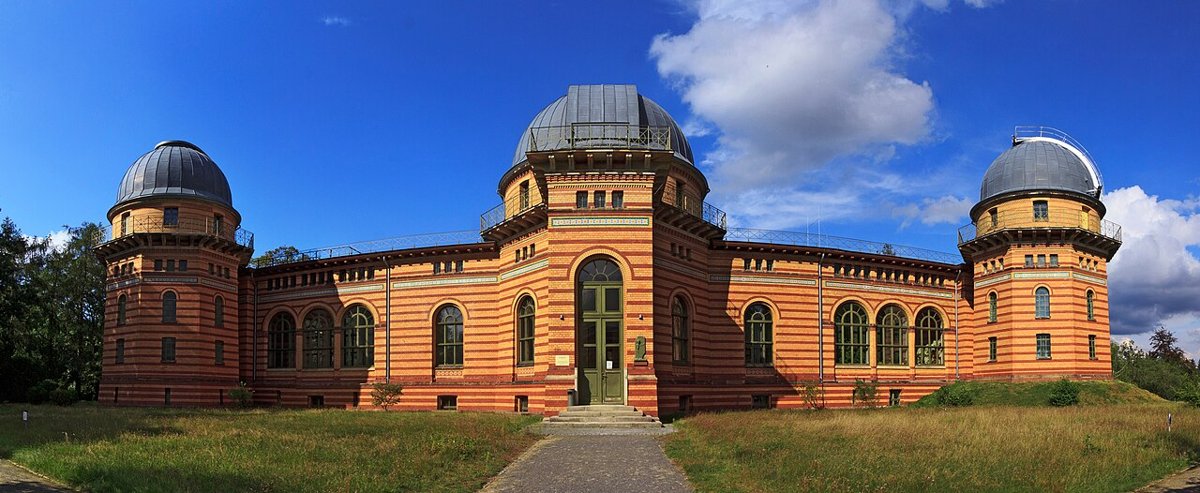
German institute, founded in 1992, that studies climate risks and pathways; it builds the REMIND, MAgPIE, LPJmL and SWIM models and co-founded the ISIMIP impact model comparison.
Nonprofit centre in Santa Fe, New Mexico, founded in 1984 to study complex systems; its free Complexity Explorer courses teach agent-based modelling and scaling.
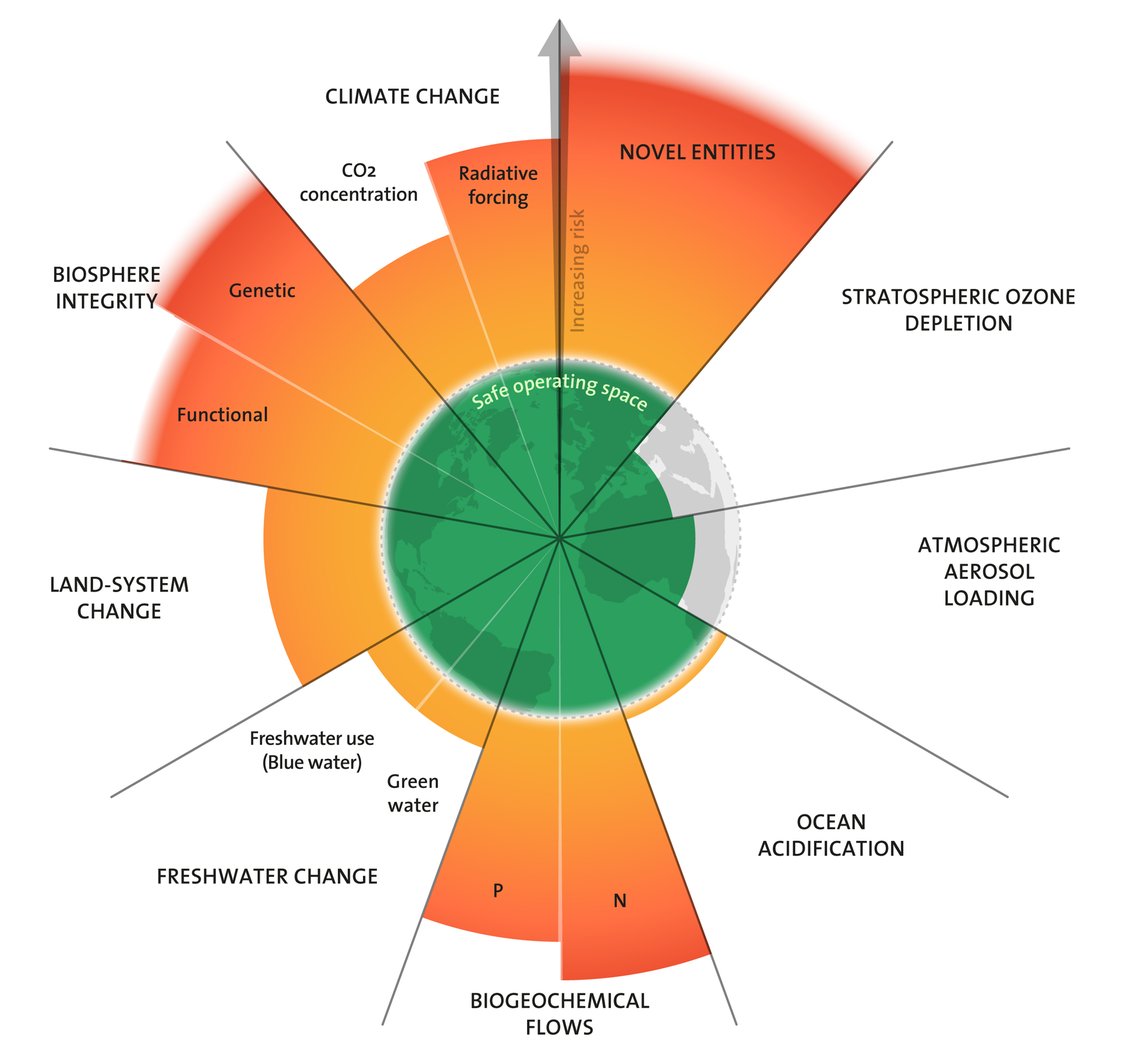
Swedish research centre, founded in 2007, that studies how people and nature interact; home of the planetary boundaries framework and the Regime Shifts DataBase.
-
Platform from Blue Green Future and Global Resilience Partners that helps governments count living nature as part of sovereign wealth; Tonga and Panama are its first partner countries.