Articles
Pieces written here and elsewhere.
Guides
Essential
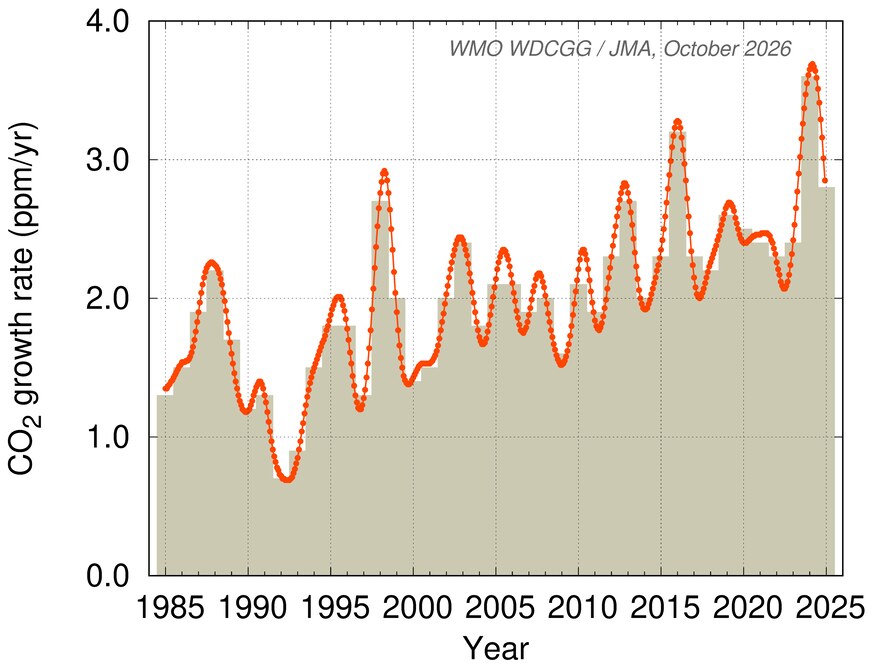
The World Meteorological Organization's report on greenhouse gases in the air in 2025, when carbon dioxide averaged 426.8 ppm and methane and nitrous oxide also reached new highs.
 Large language models that replace human participants can harmfully misportray and flatten identity groups article draft
Nature Machine Intelligence paper, 2025: across four language models and 3,200 people in 16 identities, a model speaking as a group sounds like outsiders imitating it and gives too narrow a range.

US National Academies consensus report on the mathematical, statistical and computational research that digital twins still need, with eight recommendations to federal research agencies.
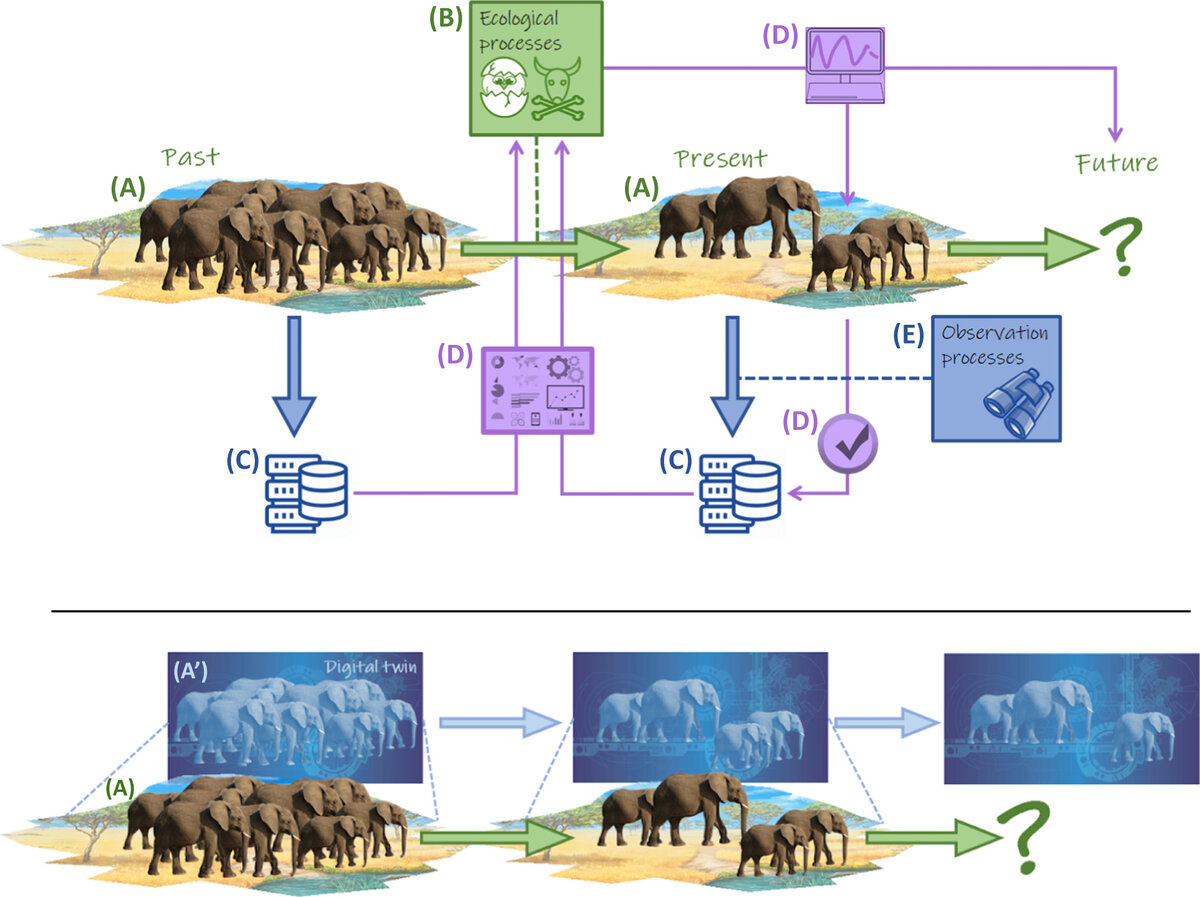
Eight ecologists and modellers set out what twins could do for ecology, five challenges peculiar to living systems, and four common misunderstandings, and urge people to start building prototypes.
-
Political Analysis paper, 2023, from Brigham Young University: GPT-3, given the backgrounds of real US election survey respondents, reproduced the overall pattern of their vote choice and attitudes.
People & society open data

Nineteen ecologists argue that ecology should forecast days to decades ahead, check each forecast against new data and update it, and say what that requires.
 Emergent Properties of Balinese Water Temple Networks: Coadaptation on a Rugged Fitness Landscape article draft
American Anthropologist paper, 1993: by Lansing's later account, its simulation of 172 subaks on two Bali rivers found shared temple calendars beat maximal planting at balancing water against pests.
-
Warren Weaver's 1948 essay sorting science's problems into simplicity, disorganized complexity and organized complexity, and betting on computers and mixed teams for the last.
Solid
-
One long page on how to build a simulation of a real place, written to be loaded whole into a language model. A copy of the guide in the documentation of esimv1.

A 2026 preprint pumps deep water to the surface of a model ocean to draw down carbon dioxide. Whether the ocean gains or loses carbon depends on whether plankton or bacteria win the nutrients.
-
An open atlas that takes 179 simulation games apart into 199 shared mechanics, from needs decay to supply-demand pricing, and maps where AI techniques could change them. By Yohei Nakajima and others.
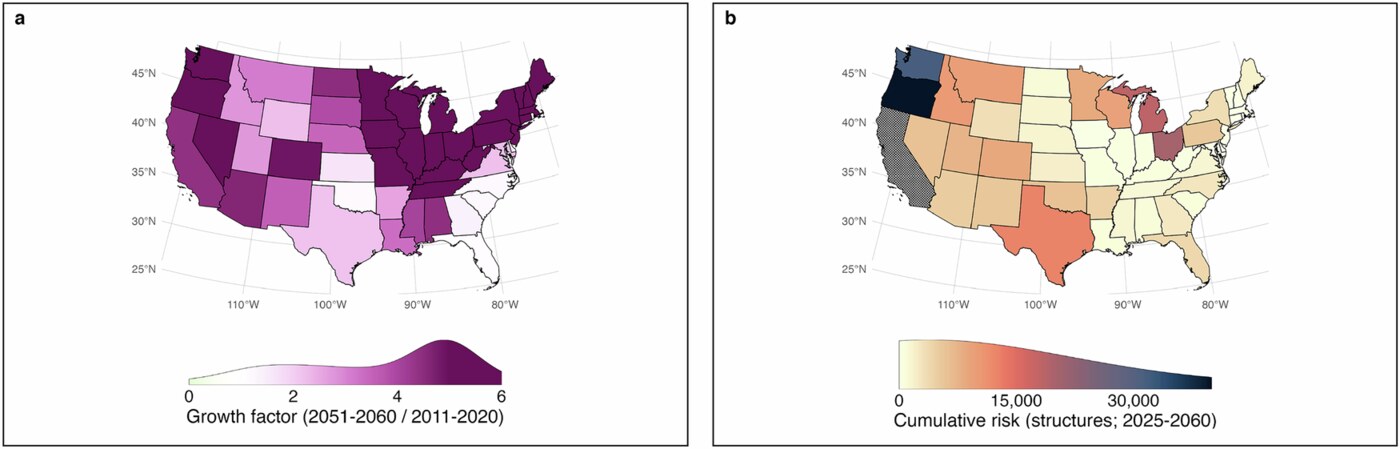
A 2026 paper projects buildings lost to fire across the contiguous United States to 2060 from three things: area burned, number of structures, and past loss per area burned. Risk nearly triples.
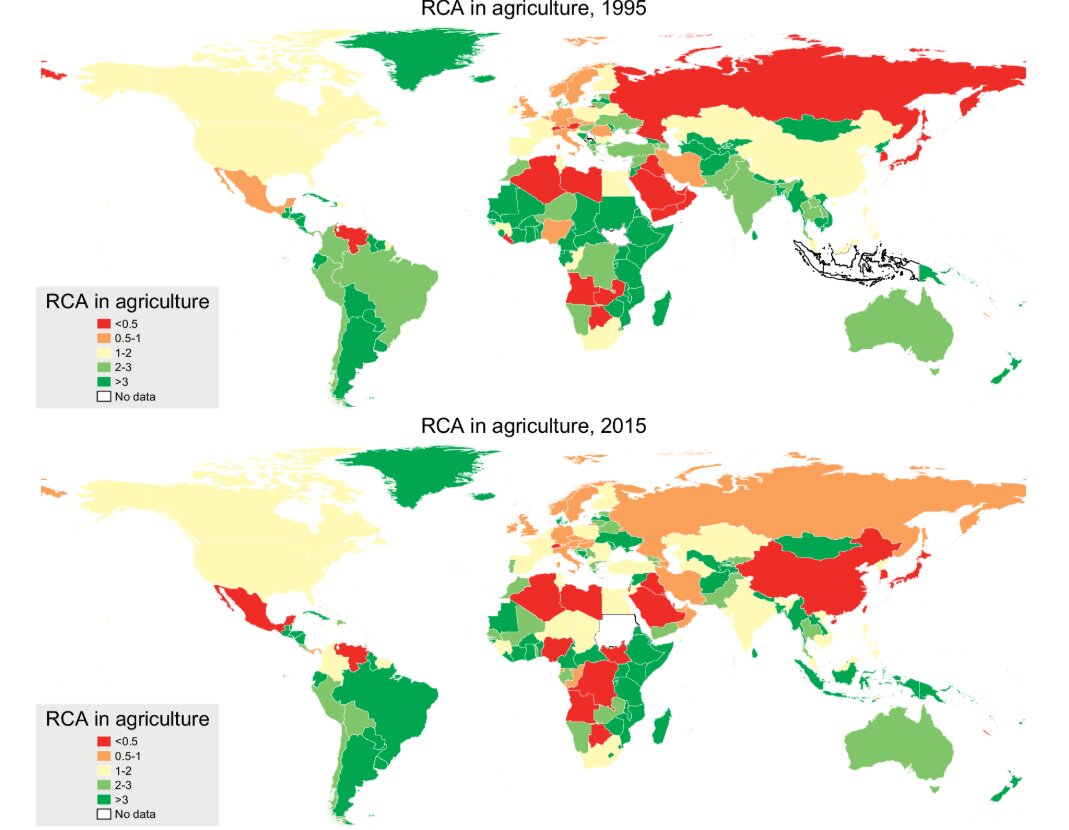
Whether country people turn against trade depends on whether their own region's farming can compete: a study of 384,194 survey answers in 123 countries, European elections and the US after NAFTA.
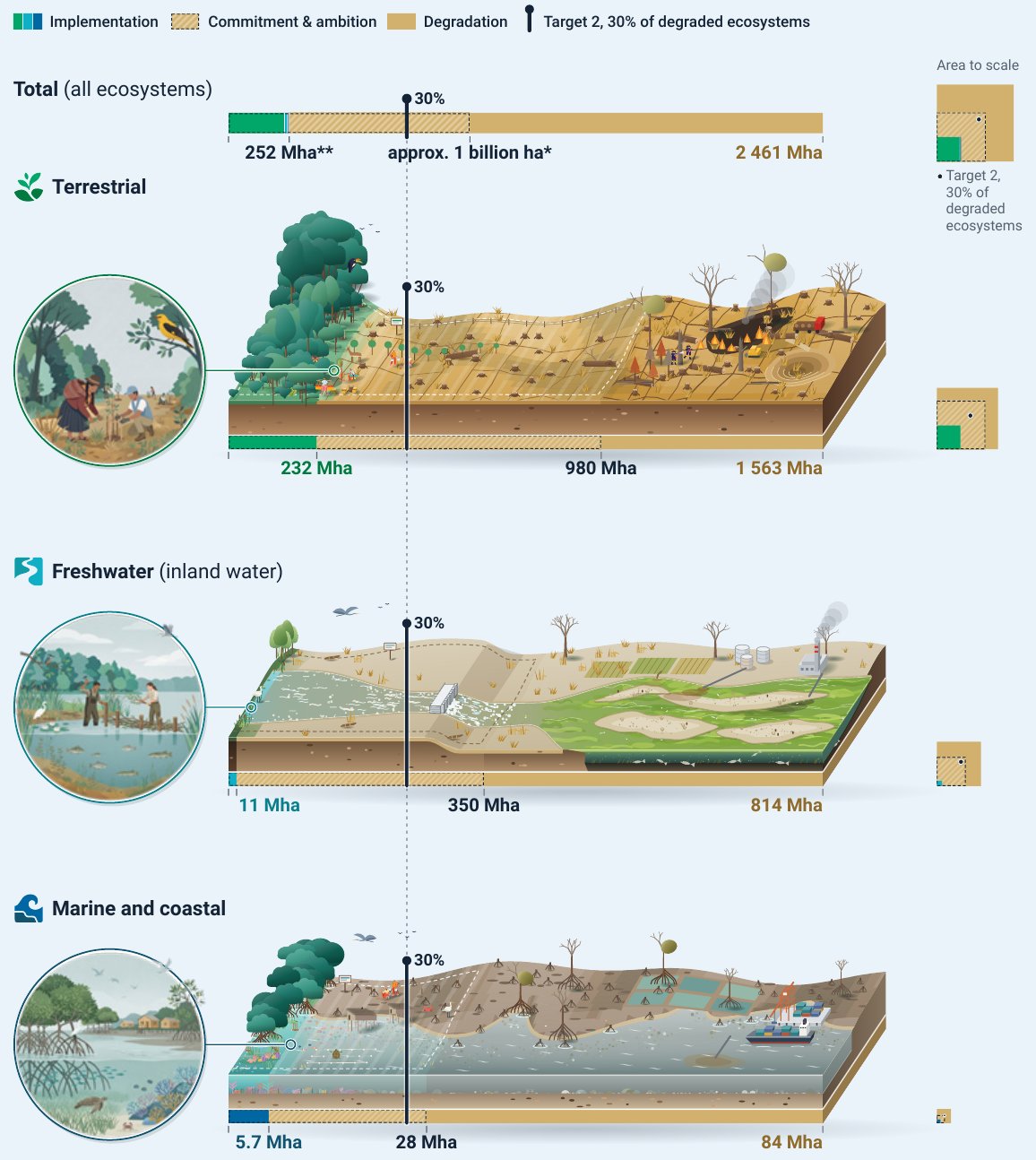
FAO, UNEP and the CBD Secretariat's 2026 count of restoration worldwide: 252 million hectares in 149 countries, mostly on land, against the commitments, the 30 per cent target and the money needed.
-
PNAS study, October 2026: thirteen years of nets, echosounders and genetics in the Gulf of Mexico found fish, krill and squid down 60 to 85% after the Deepwater Horizon spill, with no recovery.
WaterLiving systems open data
-
Annual update of sixteen planetary vital signs by William Ripple, Christopher Wolf and colleagues in BioScience; in 2026 seven of the sixteen are at record extremes.
- Simulated responses from large language models are weak proxies for human economic preferences across 74 countries article draft
Nature Human Behaviour, October 2026: twelve model setups answered a survey of risk, patience, trust and generosity for 67,201 people in 74 countries, explaining about 1% of individual variation.
People & society open sourceopen data
- Sea-level contribution from Thwaites Glacier doubles in an observation-constrained ice-sheet model article draft
Nature Communications paper that calibrates the ISSM ice-sheet model of Thwaites Glacier, West Antarctica, against observations from 1996 to 2023 and projects its sea-level contribution.
 Multi-breadbasket failures, climate change, and risks for crop prices and regional consumption article draft
Paper by Kilian Kuhla and colleagues at the Potsdam Institute for Climate Impact Research: Agrimate, an agent-based model of global grain trade, run on scenarios of simultaneous crop failures.
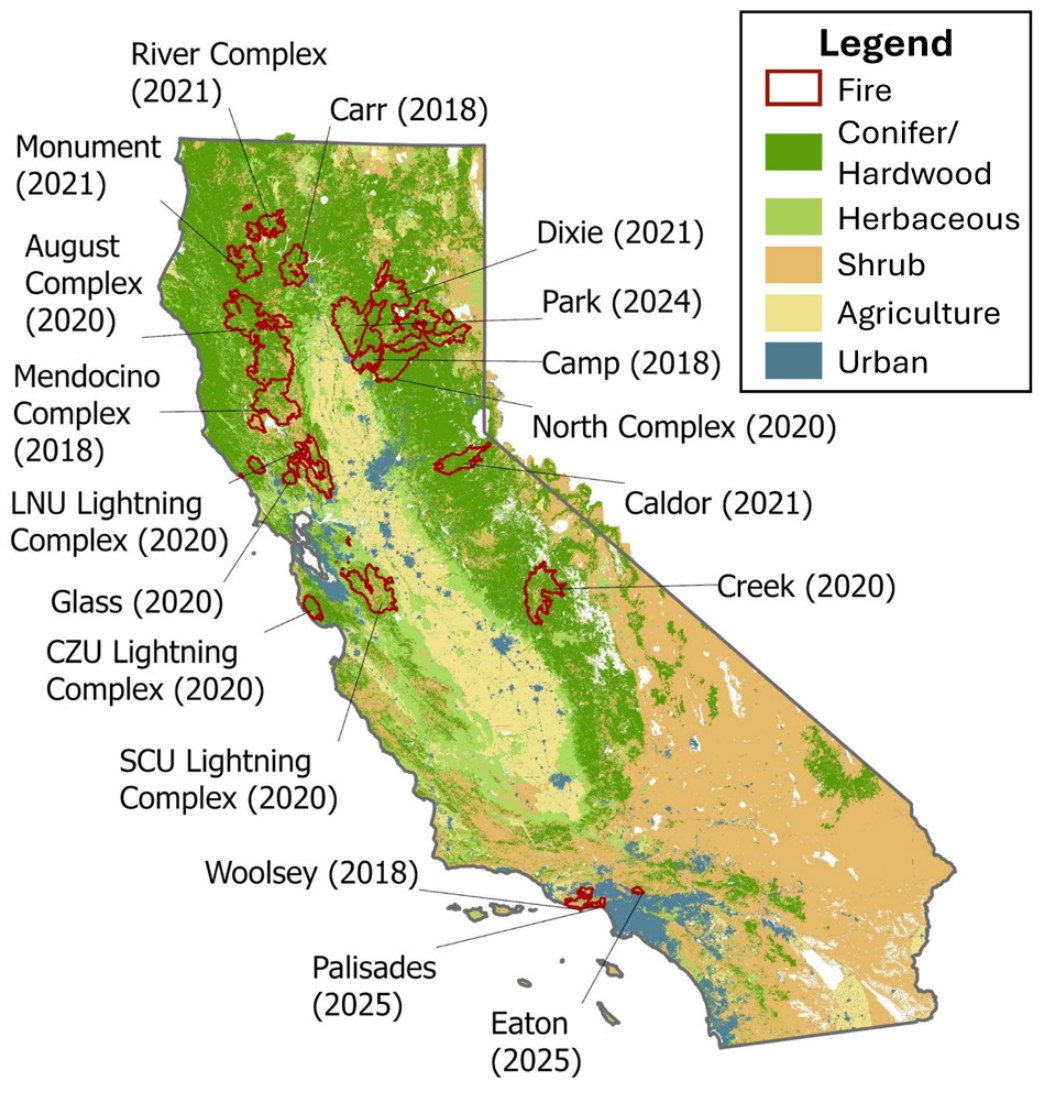
The State of California's 2026 summary of its fifth climate assessment, built on CMIP6 projections downscaled to a 3 km grid and read across nine regions.
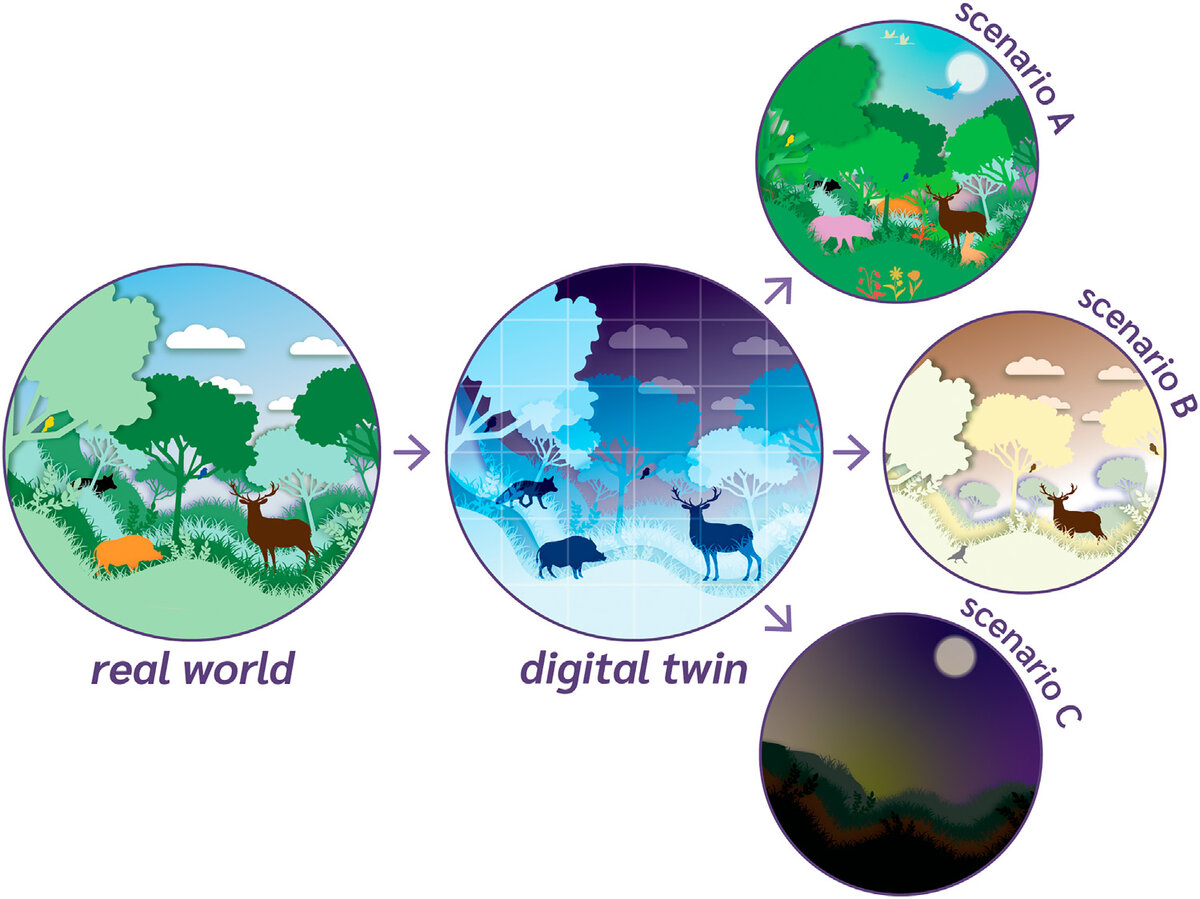
Fourteen Dutch ecologists and computer scientists name the five traits of an ecosystem twin and show how far existing studies are from having them all.
- WildCity: A Real-World City-Scale Testbed for Rendering, Simulation, and Spatial Intelligence article draft
2026 paper from New York University, May Mobility, NVIDIA and Stanford: a multimodal driving dataset of six US cities, a Gaussian Splatting baseline for city streets and a closed-loop simulator.
- Tropical forests are facing increasing risks of exposure to critical temperature thresholds article draft
PNAS study, July 2026, from EPFL: satellite canopy temperatures and range maps for 208 tropical tree species show forests nearing the critical temperature for photosynthesis.
-
Paper in Science Advances, led by Climate Central, estimating how much of the rise in extreme water levels at 519 tide gauges worldwide is due to human-caused sea level rise.
 A scalable and generic framework for city-wide traffic prediction with large language model article draft
A 2026 paper proposing LLM-UTP, one language-model-based model that predicts short-term traffic flow for metro, bus, bike, taxi, freeway and rail in 29 cities and areas.
-
A 2026 Nature paper that ranks CMIP6 climate models by sector and finds that at 2 °C the worst-case models for floods, breadbasket droughts and forest fire weather exceed the 3 °C model average.
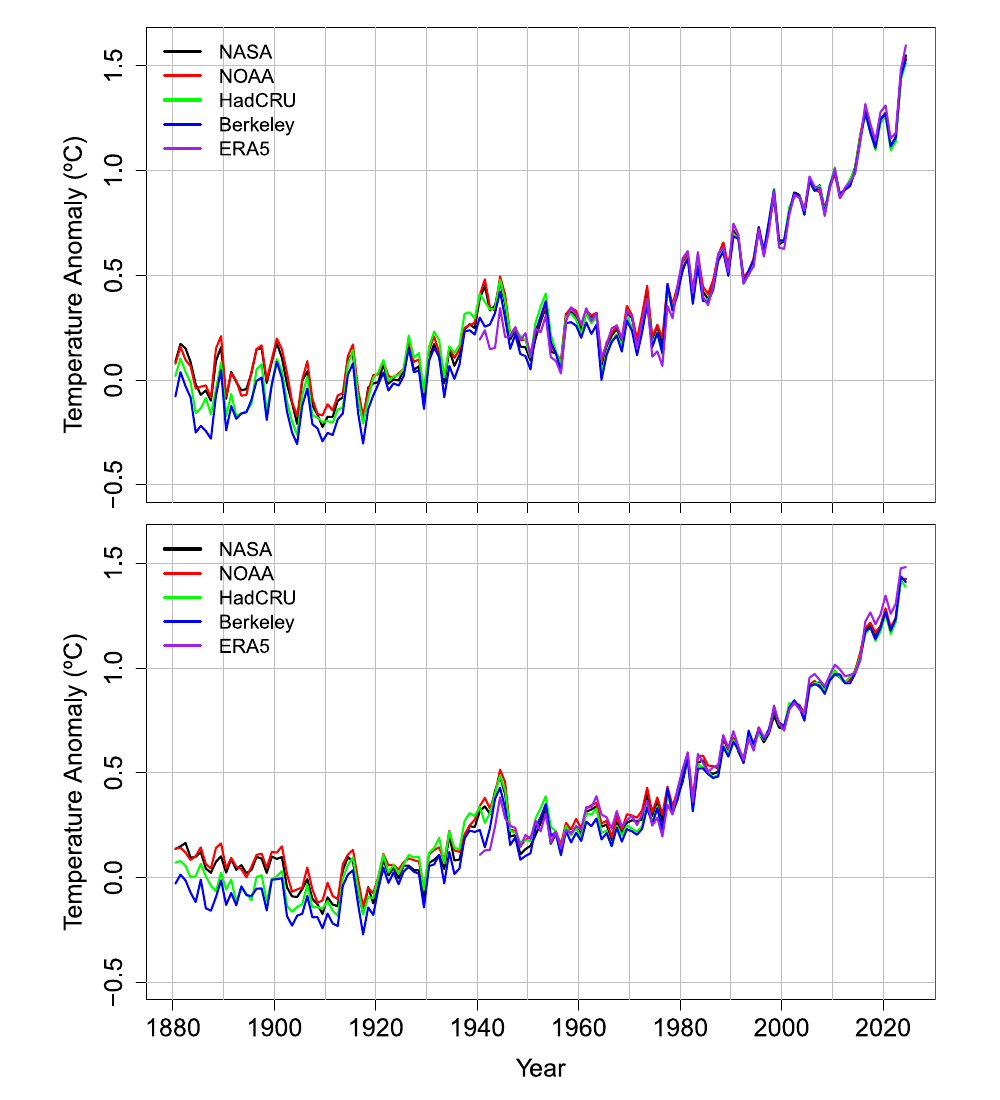
Grant Foster and Stefan Rahmstorf take the estimated effect of El Niño, volcanoes and the sun out of five global temperature records; what is left shows warming speeding up since about 2015.
-
A 2026 PNAS paper trains a model on thousands of sudden takeovers in Reddit's r/place to predict the next one and say why. It beats the standard signs of a tipping point, and still misses many.
People & societyLiving systems open sourceopen data
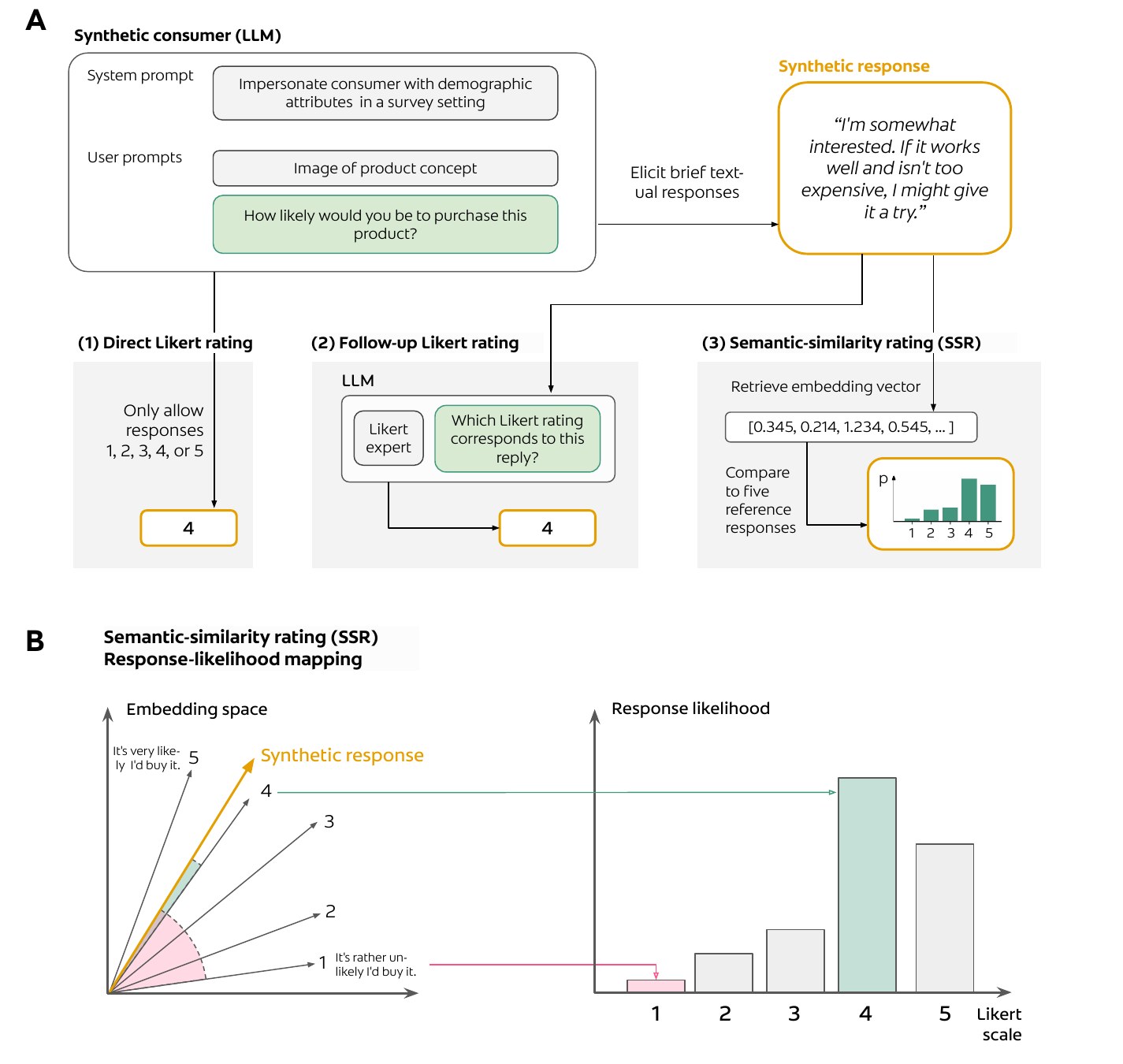 LLMs Reproduce Human Purchase Intent via Semantic Similarity Elicitation of Likert Ratings article draft
2025 preprint: language model personas answer a survey in words, and the words are scored against anchor sentences. Tested against 57 product surveys with 9,300 real answers.
People & society open sourceclosed data
-
Preprint by Guan and others on Light Society, a framework that runs a billion simulated people by having a small trained model stand in for the language model.
-
2025 journal paper: GPT-3.5, playing 1,905 respondents to the 2017 German Longitudinal Election Study, matched their reported vote 46% of the time and leaned toward the Greens and the Left.

Tree rings from more than 1,800 fire-scar sites show that even 2020, a record year, burned only the historical average share of forest, and that what is unprecedented is how severely it burns.
-
Stanford-led study, 2024, revised 2026: agents built from two-hour interviews with 1,052 Americans predicted their survey answers at 83% of the people's own two-week retest consistency.
People & society open sourcerestricted data
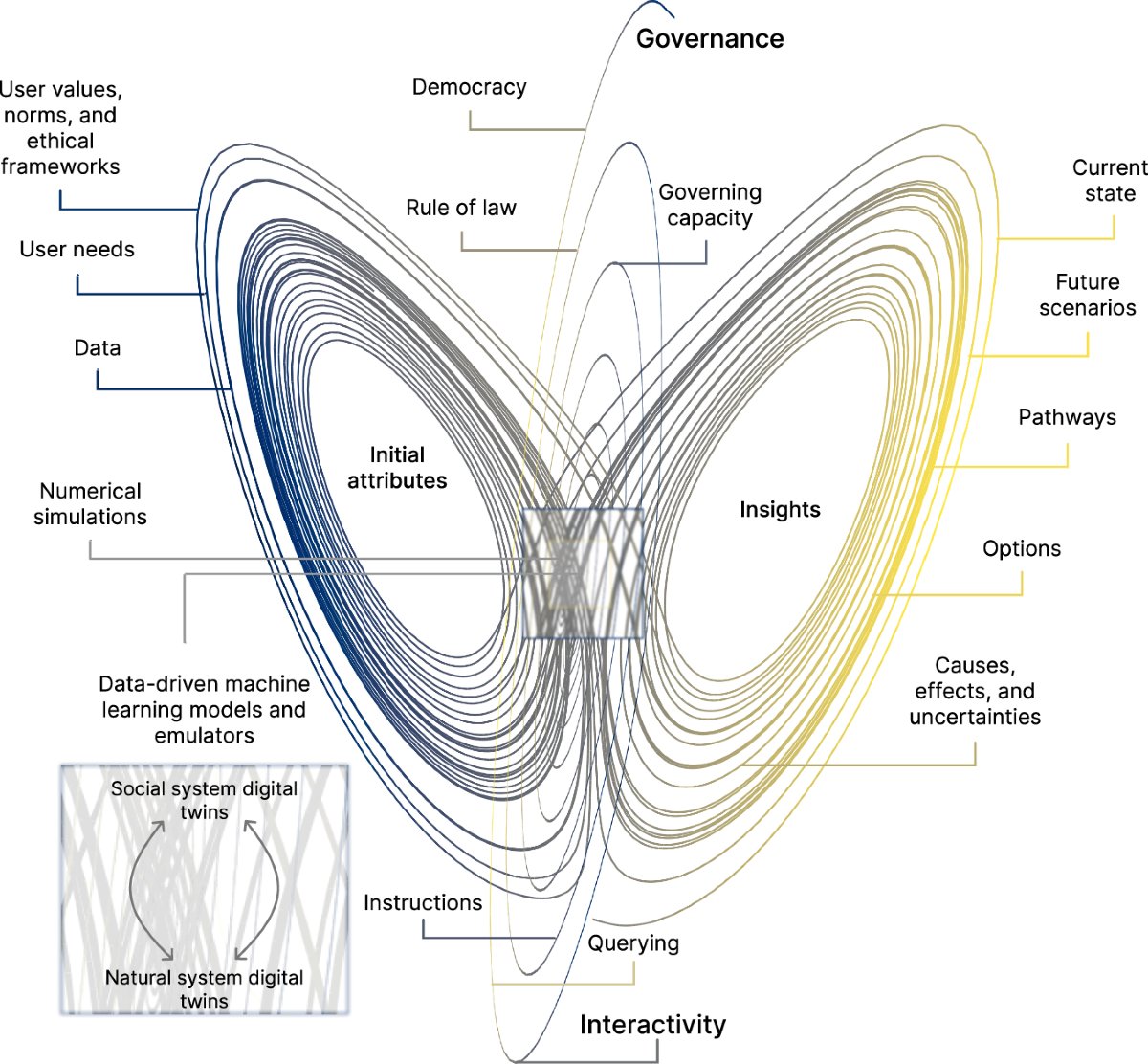
Twenty-eight scientists argue that digital twins of the Earth must model human behaviour and be governed openly by the people who use them.
-
Political Analysis paper, 2024: ChatGPT personas matched US survey respondents' average feelings toward 11 groups but gave too little spread, wrong regression results and shifting answers.
People & society open data
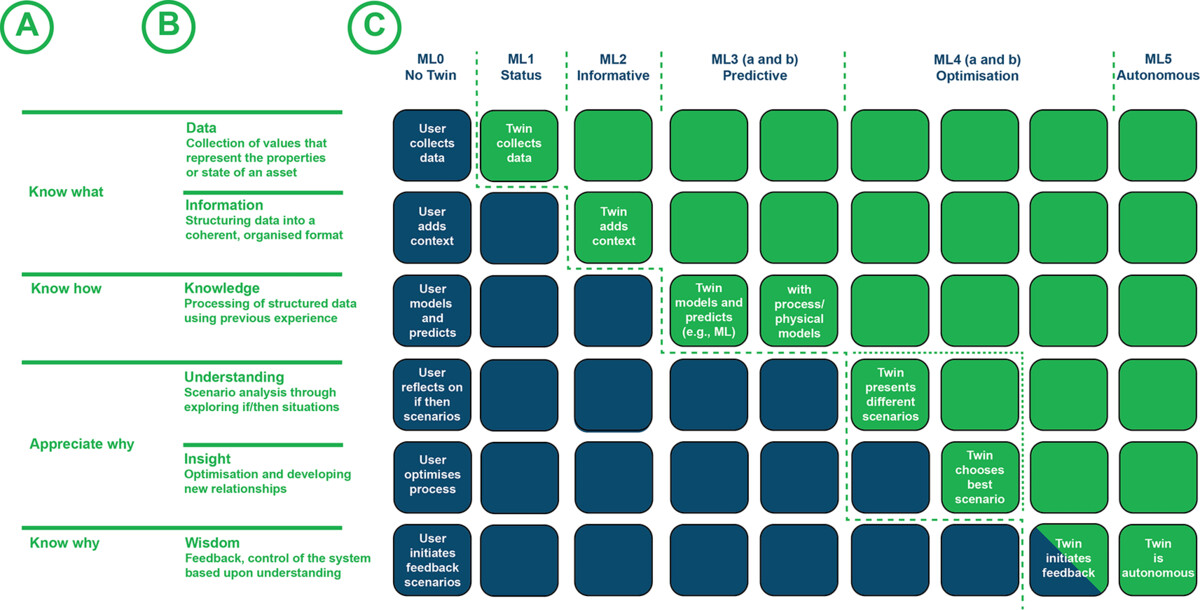
Four Wageningen researchers sort twins into five levels, from one that only reports status to one that acts on its own, so that a project can agree early on which kind it is building.
-
2023 editorial review by Yongze Song and colleagues of geocomputation and GeoAI in mapping, with a taxonomy of mapping applications and their data types.
-
ICML 2023 paper that compared nine language models with 1,498 Pew survey questions answered by 60 US demographic groups and found the models' opinions far from the public's.
People & society open data
-
The 2022 Stanford paper that filled an imagined online community with thousands of language-model members, so a designer could see what it might turn into before anyone joined.
-
Gordon Blair's short 2021 opinion piece asks whether a twin of the natural environment is just a model or just data assimilation, and sets out its building blocks as a "jam sandwich".
- A Review of Definitions, Data, and Methods for Country-level Assessment and Reporting of Primary Forest article draft
Discussion paper for the FAO by Brendan Mackey, Eloise Skinner and Patrick Norman of Griffith University on how primary forest is defined, mapped and reported by countries.
-
Fifteen tagged whales, a movement model that fits in a minute, and the Chilean government's daily vessel positions, combined into a map of where each fleet is most likely to meet a whale.
-
A 2026 review by Abdulaziz Almulhim of 116 studies treats a growing city, the land it converts and the heat and flooding that follow as one loop, and asks what planning does to it.
-
Seven open sources of satellite embeddings set side by side, with the questions that decide between them: ready-made or run yourself, pixel or patch or place, one date or a year, and the licence.
-
What studies have measured when people are shown a risk: eco-paralysis, fear and efficacy, a flood map that lowered concern, and games played on a climate model.
-
How a model of the atmosphere is learned from data by the diffusion method, what the training data is, where the method stops working, and how learned and physics-based models are combined.
-
A running model of a place is four things that are built, bought and broken separately: data, an ontology, an engine, and a presentation.
-
Models of a population at the level of its people: residents built from the census, run through their days, and given a voice by language models, with what the evidence says about each layer.
Of note
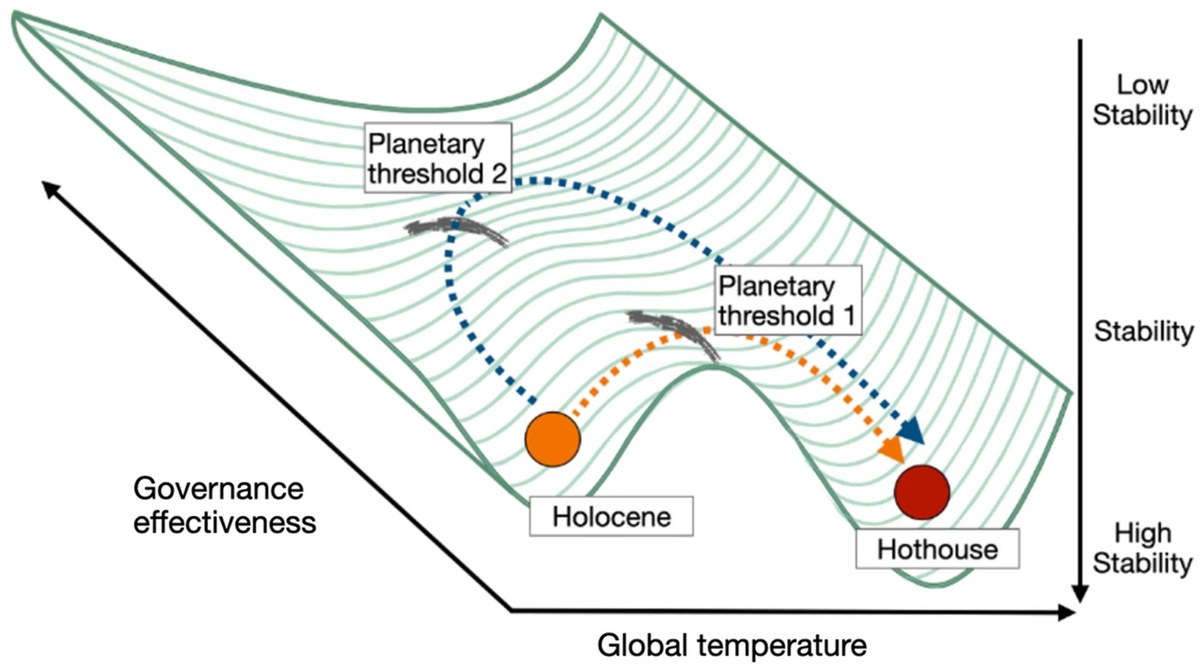
Society added to the Hothouse Earth picture: climate damage can erode the finance, institutions and political will needed to act, and so lower the threshold at which warming feeds itself.
-
Five tests of Google's population dynamics model on health questions, from measles vaccination on the Canadian border to cholera in the Congo: where a summary of each place helps and where not.
- A 73% average decline in wildlife populations: an overview of the 2026 Living Planet Index report article draft
Hannah Ritchie at Our World in Data on what the headline figure of the 2026 Living Planet Index measures, and on the wildlife populations behind its average.
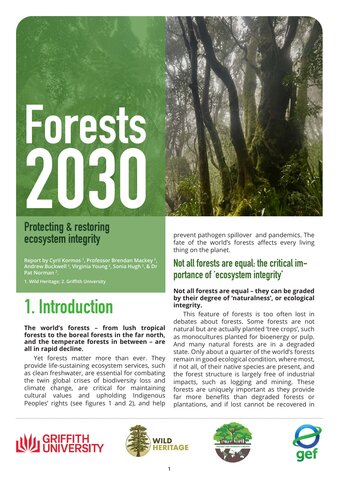
A nineteen-page explainer from Wild Heritage and Griffith University arguing that forest policy for 2030 should rest on ecosystem integrity, with a three-step order for protection and restoration.
-
Essay by a climate data visualiser at the Copernicus Climate Change Service (ECMWF) on how the charts in its climate bulletins and reports are made.
- Mapping coastal forest retreat using convolutional neural networks and different satellite imagery article draft
A 2026 PLOS One paper that uses convolutional neural networks on Landsat and Sentinel-2 imagery to map 37 years of forest loss to ghost forest and marsh on the North Carolina coastal plain.
- Distribution-First Population Simulation: Collapse, Calibration, and Recall in Non-WEIRD LLM Persona Modeling article draft
Preprint, July 2026, from Istanbul Technical University: language-model agents grounded on 2,414 real Turkish survey respondents piled onto one default answer instead of the population's spread.
-
Explainer from the Copernicus Marine Service on how ocean forecasts are made from observations, physics-based models, data assimilation and machine learning.
-
A review of 160 papers on reading the DNA that organisms leave in air, soil, groundwater and water, what it can detect, where it misleads, and how it might feed a model.
-
Satellite proxies for productivity, water, temperature and connectivity, compared inside and outside 119 UNESCO biosphere reserves: only 18 scored higher on all of them inside.
-
Columbia Insight report by Nathan Gilles on the US Forest Service's first national inventory of mature and old-growth forest, and why its maps are too coarse to find a single stand.
-
Where the idea and the name came from: Apollo's simulators, Gelernter's Mirror Worlds, Grieves and NASA, and the step from spacecraft and factories to cities and the built environment.
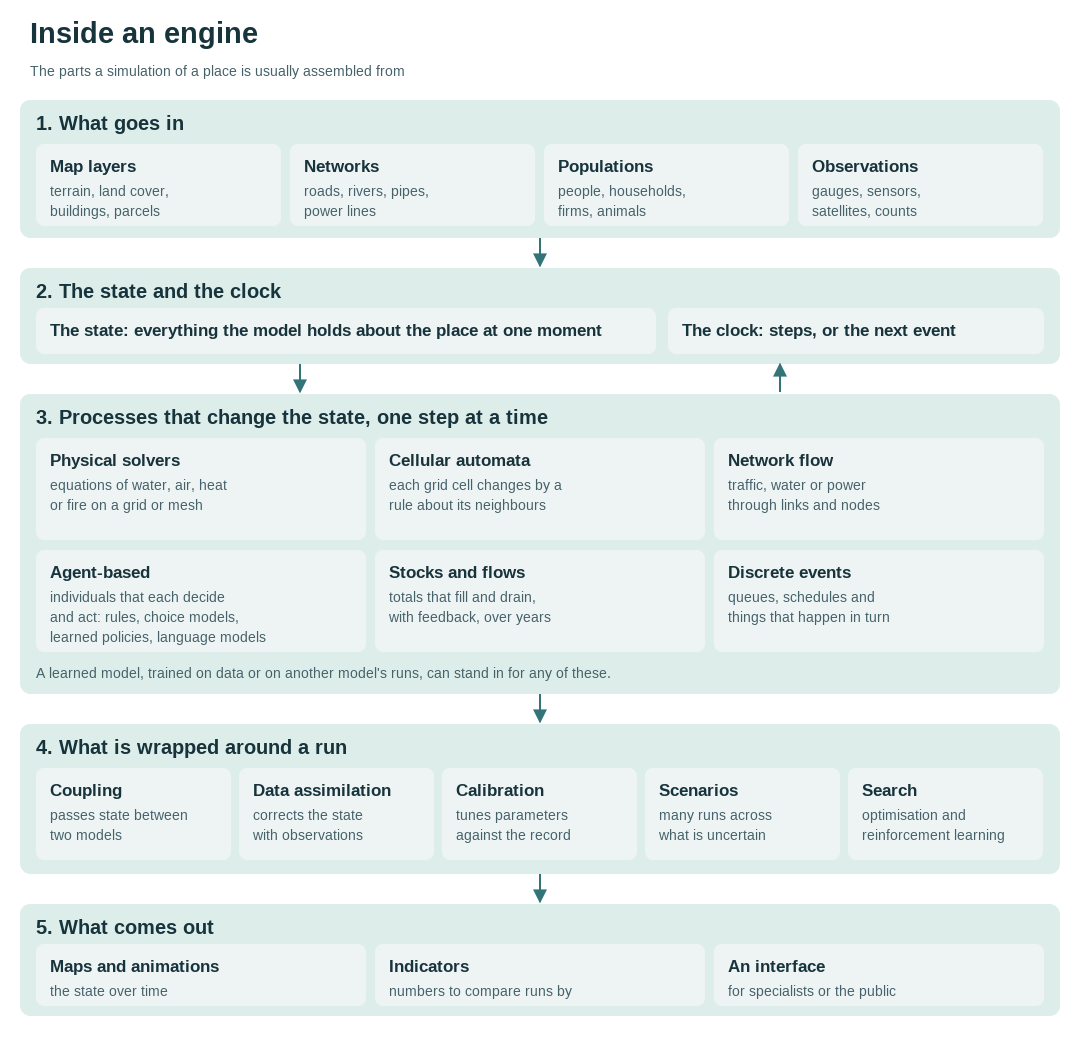
Most simulation engines are assembled from the same few parts: a state, a clock, several ways of changing the state, and tools wrapped around the run. A diagram and a short account of each.
-
Twelve recent reports about places, each read for the question someone there would put to a model, and for the kind of model that question needs.
-
Between 2004 and 2008 map-making passed from GIS specialists to web developers, designers and the public. An account of that change, and of what in it applies to models of places now.
Marginal
- The green movement's incrementalism is not just ecologically inadequate. It is scientifically wrong. article draft
Wlodek Bogucki's LinkedIn essay arguing that green programmes treat complex, threshold-prone systems as if they were merely complicated engineering problems.