News
Dated news about models of places: studies, launches and reports, newest first.
Everything on the site published in the last two years, newest first and grouped by month: news stories filed as their own entries, and the papers, reports and essays on the Articles shelf. A news story points at what it is about elsewhere on the site; an article is the thing itself. Recent lists every new or changed entry on the site; Events lists meetings past and upcoming.
November 2026

One long page on how to build a simulation of a real place, written to be loaded whole into a language model. A copy of the guide in the documentation of esimv1.
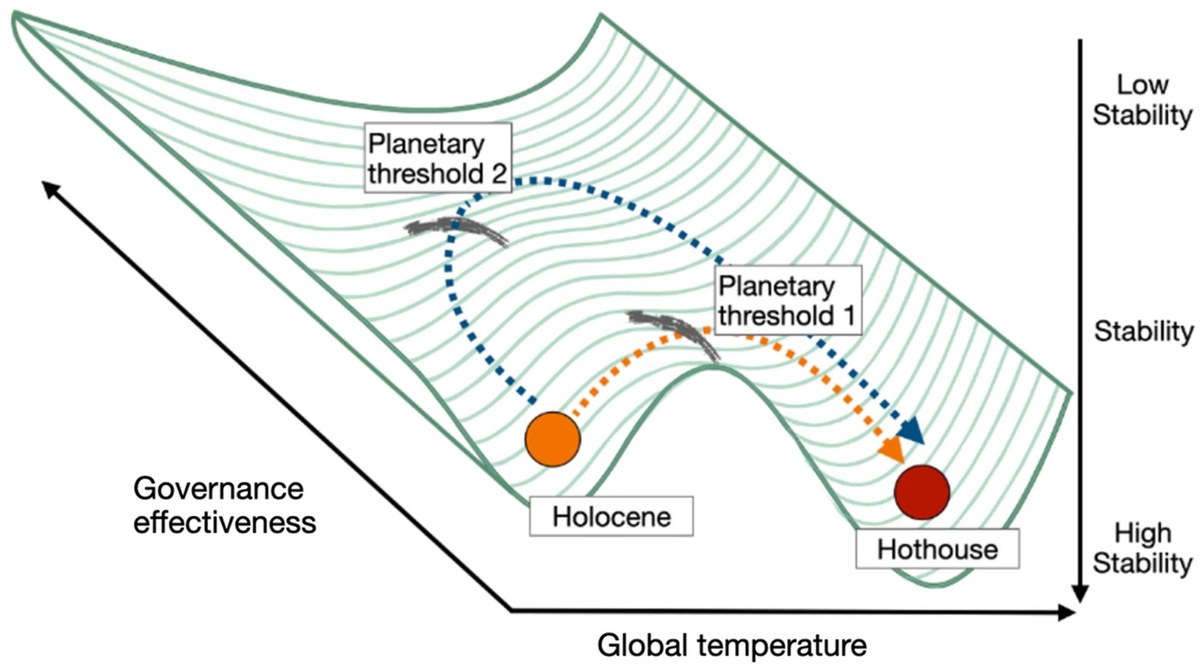
Society added to the Hothouse Earth picture: climate damage can erode the finance, institutions and political will needed to act, and so lower the threshold at which warming feeds itself.

A 2026 preprint pumps deep water to the surface of a model ocean to draw down carbon dioxide. Whether the ocean gains or loses carbon depends on whether plankton or bacteria win the nutrients.

An open atlas that takes 179 simulation games apart into 199 shared mechanics, from needs decay to supply-demand pricing, and maps where AI techniques could change them. By Yohei Nakajima and others.
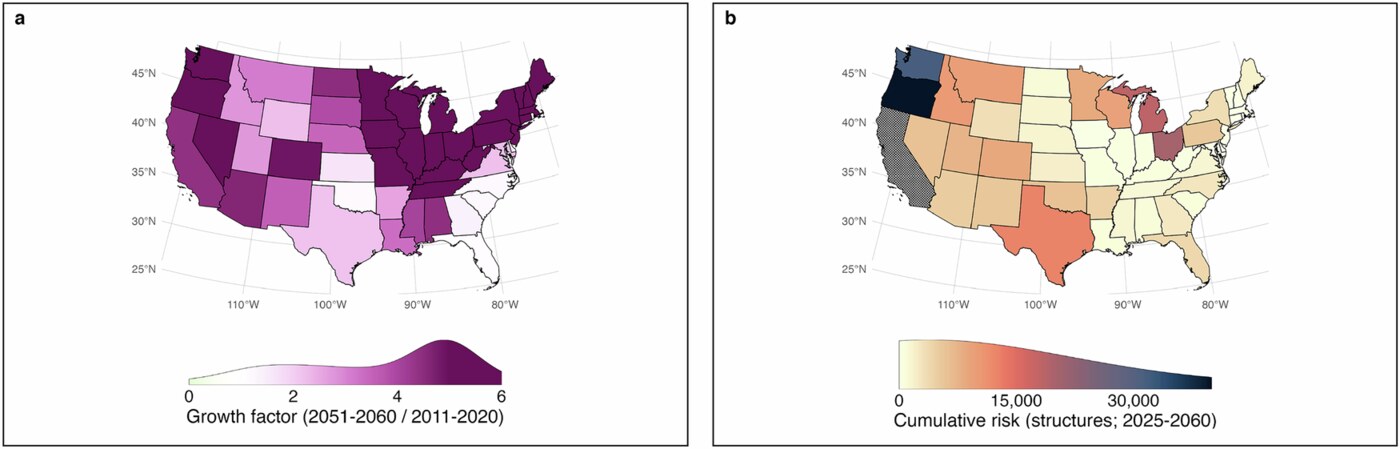
A 2026 paper projects buildings lost to fire across the contiguous United States to 2060 from three things: area burned, number of structures, and past loss per area burned. Risk nearly triples.
-
A 70-minute interview on The Generalist with Joon Sung Park of Simile, on simulating real people with language models, from Schelling's model to pricing tests for CVS Health.
October 2026
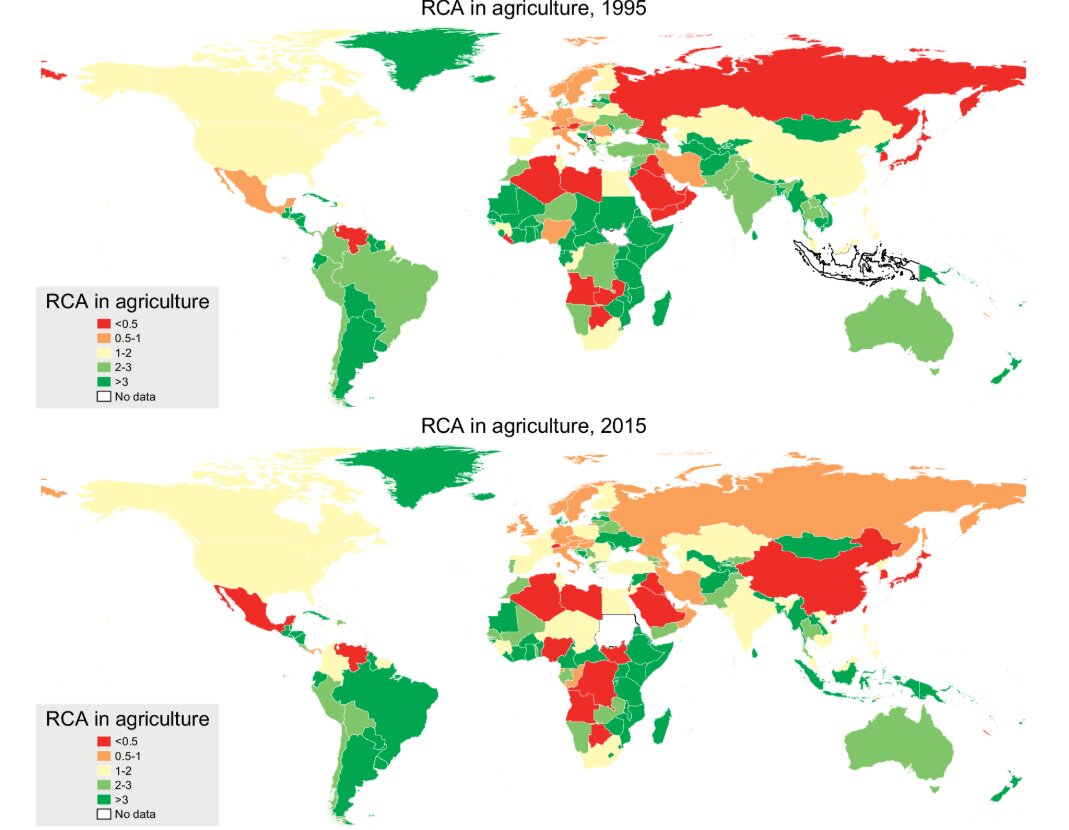
Whether country people turn against trade depends on whether their own region's farming can compete: a study of 384,194 survey answers in 123 countries, European elections and the US after NAFTA.
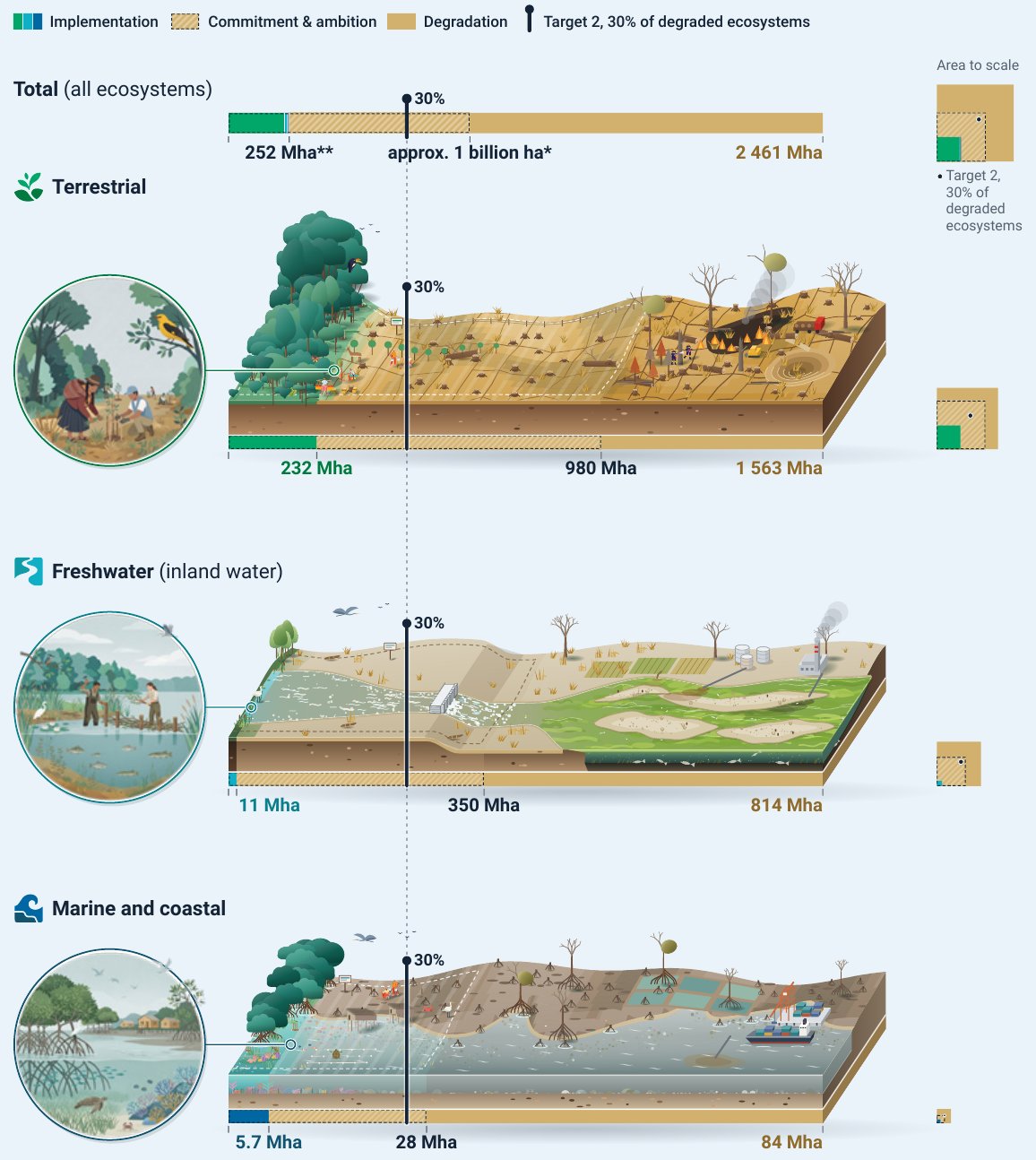
FAO, UNEP and the CBD Secretariat's 2026 count of restoration worldwide: 252 million hectares in 149 countries, mostly on land, against the commitments, the 30 per cent target and the money needed.
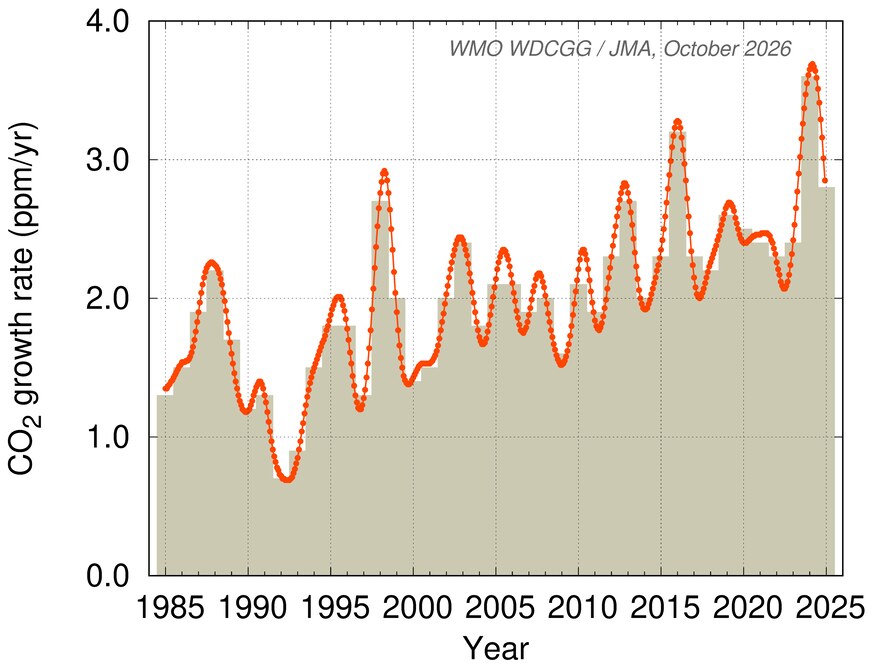
The World Meteorological Organization's report on greenhouse gases in the air in 2025, when carbon dioxide averaged 426.8 ppm and methane and nitrous oxide also reached new highs.
- The green movement's incrementalism is not just ecologically inadequate. It is scientifically wrong. article draft
Wlodek Bogucki's LinkedIn essay arguing that green programmes treat complex, threshold-prone systems as if they were merely complicated engineering problems.

ScienceAlert's report on the October 2026 PNAS study of the Gulf of Mexico's midwater, with the spill's scale and the open questions about whales and the carbon the migrating animals carry down.
-
The Santa Fe Institute's report on its September 2026 working group: why the organisers think the moment has come, what a twin of a cancer patient would need, and why trust and validation will decide whether twins are used.
-
PNAS study, October 2026: thirteen years of nets, echosounders and genetics in the Gulf of Mexico found fish, krill and squid down 60 to 85% after the Deepwater Horizon spill, with no recovery.
WaterLiving systems open data
-
Five tests of Google's population dynamics model on health questions, from measles vaccination on the Canadian border to cholera in the Congo: where a summary of each place helps and where not.
-
Annual update of sixteen planetary vital signs by William Ripple, Christopher Wolf and colleagues in BioScience; in 2026 seven of the sixteen are at record extremes.
- Simulated responses from large language models are weak proxies for human economic preferences across 74 countries article draft
Nature Human Behaviour, October 2026: twelve model setups answered a survey of risk, patience, trust and generosity for 67,201 people in 74 countries, explaining about 1% of individual variation.
People & society open sourceopen data
- Sea-level contribution from Thwaites Glacier doubles in an observation-constrained ice-sheet model article draft
Nature Communications paper that calibrates the ISSM ice-sheet model of Thwaites Glacier, West Antarctica, against observations from 1996 to 2023 and projects its sea-level contribution.
 Multi-breadbasket failures, climate change, and risks for crop prices and regional consumption article draft
Paper by Kilian Kuhla and colleagues at the Potsdam Institute for Climate Impact Research: Agrimate, an agent-based model of global grain trade, run on scenarios of simultaneous crop failures.
 A 73% average decline in wildlife populations: an overview of the 2026 Living Planet Index report article draft
Hannah Ritchie at Our World in Data on what the headline figure of the 2026 Living Planet Index measures, and on the wildlife populations behind its average.
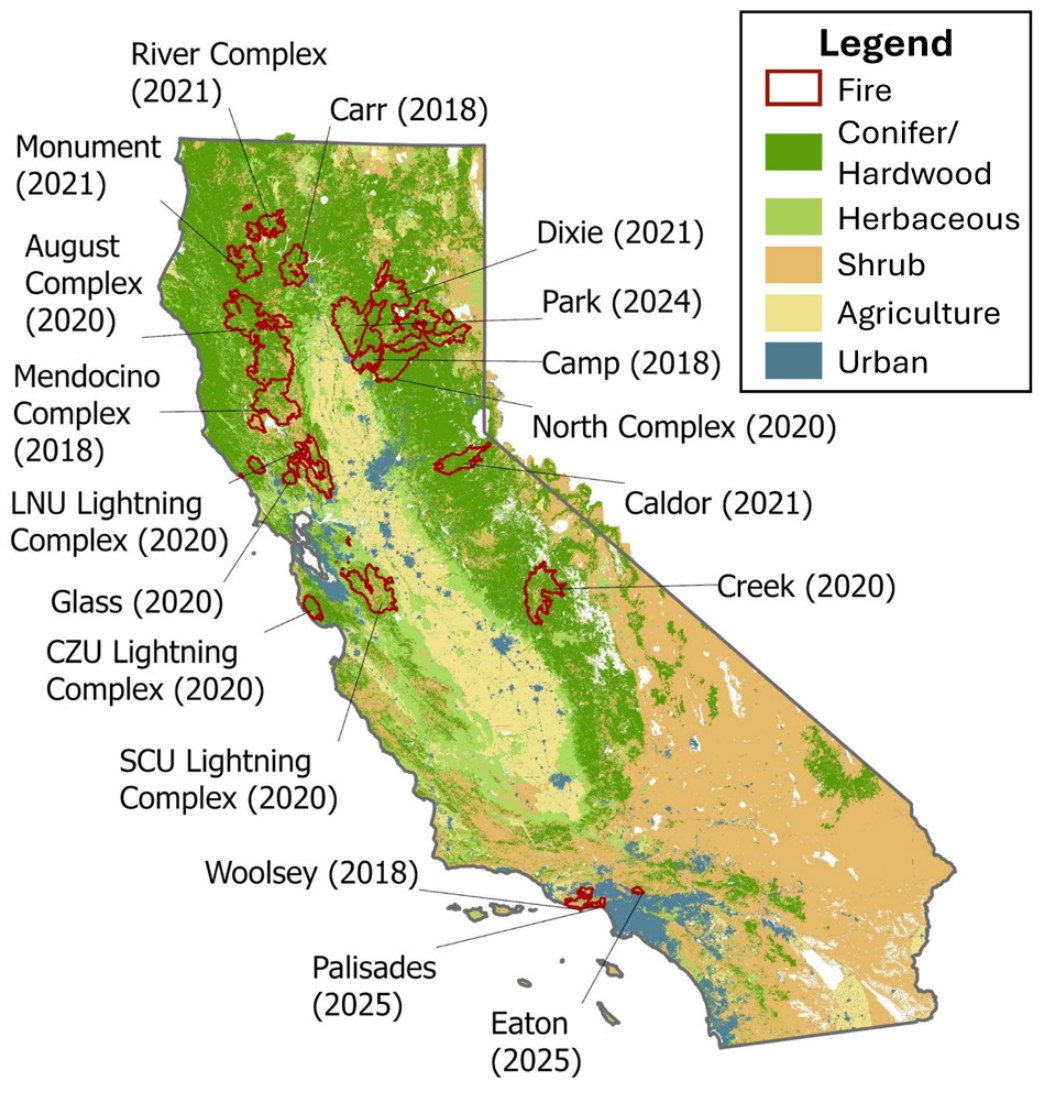
The State of California's 2026 summary of its fifth climate assessment, built on CMIP6 projections downscaled to a 3 km grid and read across nine regions.
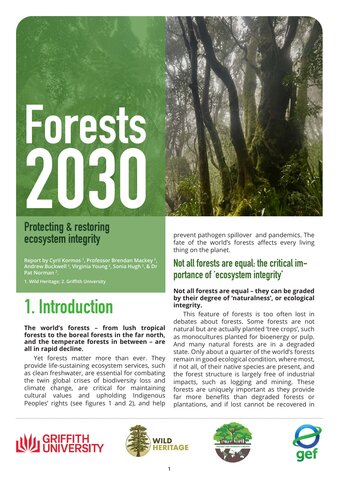
A nineteen-page explainer from Wild Heritage and Griffith University arguing that forest policy for 2030 should rest on ecosystem integrity, with a three-step order for protection and restoration.
September 2026
-
Essay by a climate data visualiser at the Copernicus Climate Change Service (ECMWF) on how the charts in its climate bulletins and reports are made.
- Mapping coastal forest retreat using convolutional neural networks and different satellite imagery article draft
A 2026 PLOS One paper that uses convolutional neural networks on Landsat and Sentinel-2 imagery to map 37 years of forest loss to ghost forest and marsh on the North Carolina coastal plain.
August 2026
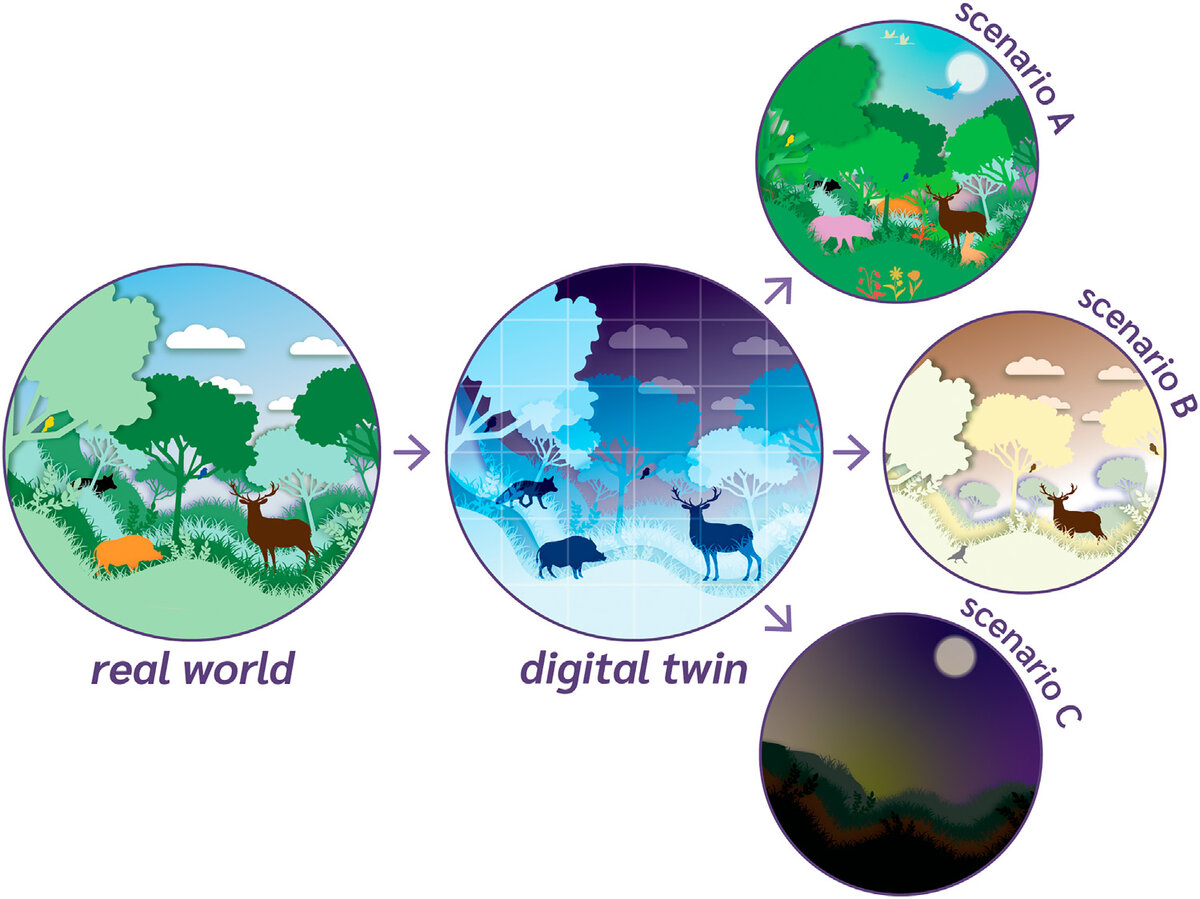
Fourteen Dutch ecologists and computer scientists name the five traits of an ecosystem twin and show how far existing studies are from having them all.
July 2026
- Distribution-First Population Simulation: Collapse, Calibration, and Recall in Non-WEIRD LLM Persona Modeling article draft
Preprint, July 2026, from Istanbul Technical University: language-model agents grounded on 2,414 real Turkish survey respondents piled onto one default answer instead of the population's spread.
- WildCity: A Real-World City-Scale Testbed for Rendering, Simulation, and Spatial Intelligence article draft
2026 paper from New York University, May Mobility, NVIDIA and Stanford: a multimodal driving dataset of six US cities, a Gaussian Splatting baseline for city streets and a closed-loop simulator.
- Tropical forests are facing increasing risks of exposure to critical temperature thresholds article draft
PNAS study, July 2026, from EPFL: satellite canopy temperatures and range maps for 208 tropical tree species show forests nearing the critical temperature for photosynthesis.
June 2026
-
Paper in Science Advances, led by Climate Central, estimating how much of the rise in extreme water levels at 519 tide gauges worldwide is due to human-caused sea level rise.
May 2026
-
Explainer from the Copernicus Marine Service on how ocean forecasts are made from observations, physics-based models, data assimilation and machine learning.
 A scalable and generic framework for city-wide traffic prediction with large language model article draft
A 2026 paper proposing LLM-UTP, one language-model-based model that predicts short-term traffic flow for metro, bus, bike, taxi, freeway and rail in 29 cities and areas.
March 2026
-
A 2026 Nature paper that ranks CMIP6 climate models by sector and finds that at 2 °C the worst-case models for floods, breadbasket droughts and forest fire weather exceed the 3 °C model average.
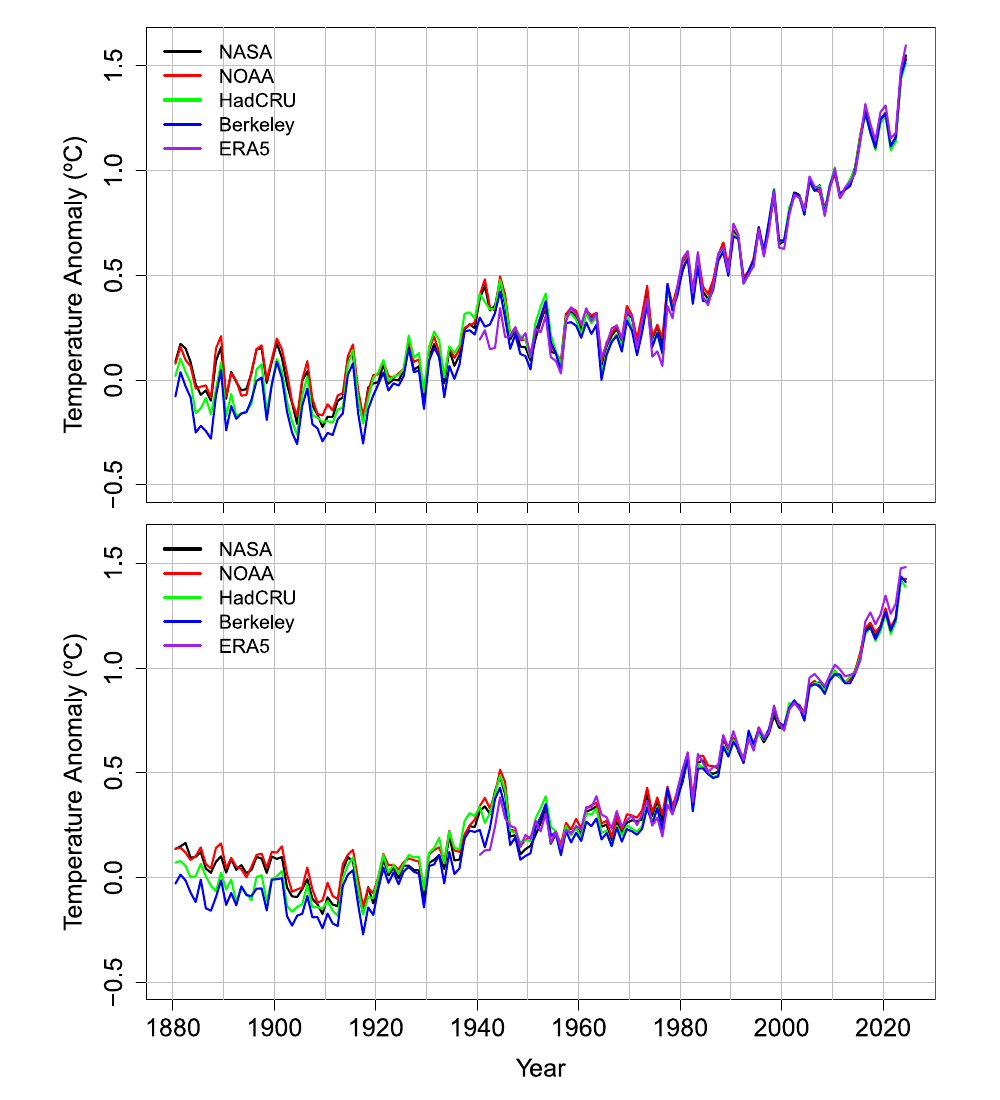
Grant Foster and Stefan Rahmstorf take the estimated effect of El Niño, volcanoes and the sun out of five global temperature records; what is left shows warming speeding up since about 2015.
January 2026
-
A 2026 PNAS paper trains a model on thousands of sudden takeovers in Reddit's r/place to predict the next one and say why. It beats the standard signs of a tipping point, and still misses many.
People & societyLiving systems open sourceopen data
October 2025
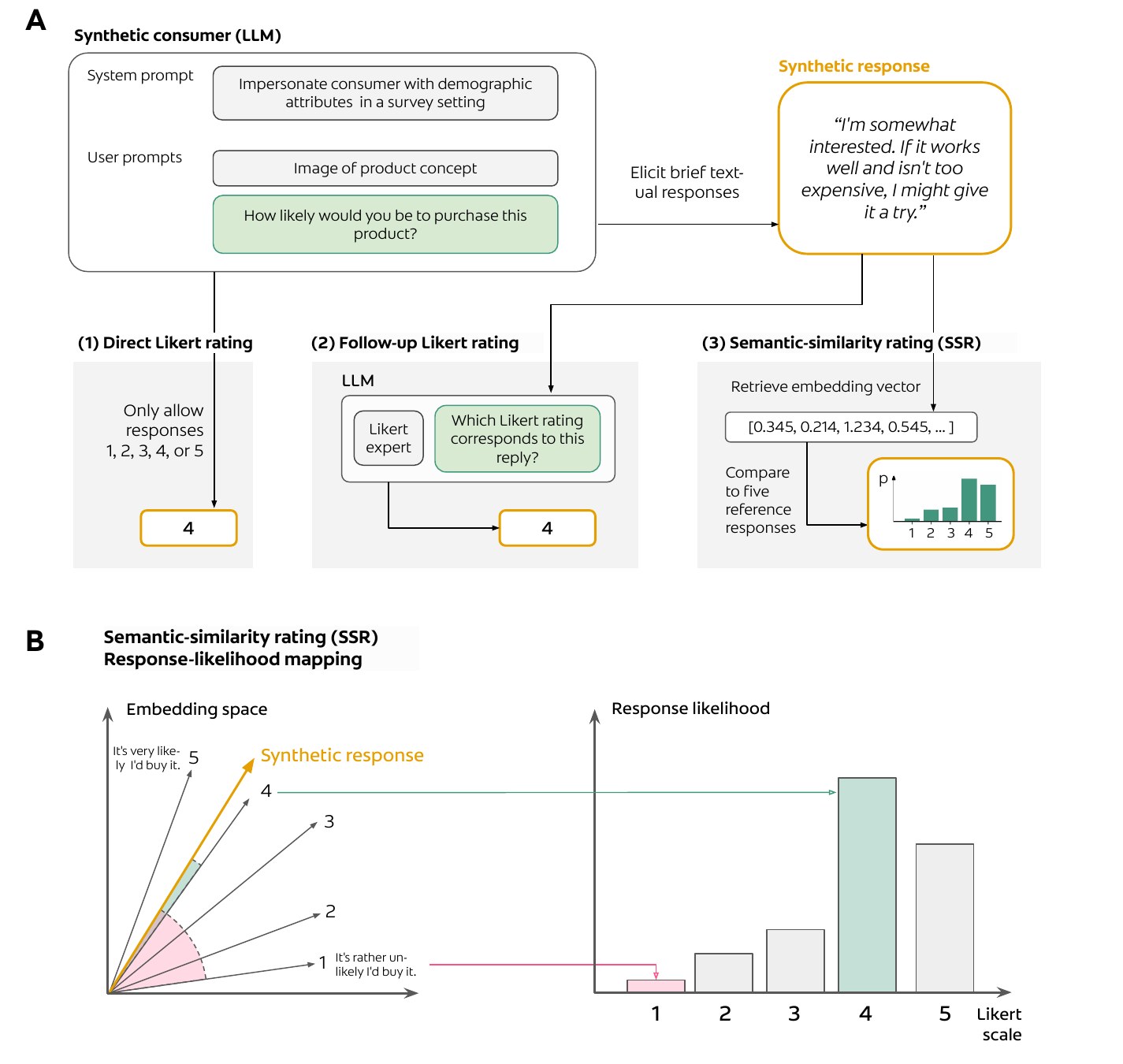 LLMs Reproduce Human Purchase Intent via Semantic Similarity Elicitation of Likert Ratings article draft
2025 preprint: language model personas answer a survey in words, and the words are scored against anchor sentences. Tested against 57 product surveys with 9,300 real answers.
People & society open sourceclosed data
August 2025
-
A review of 160 papers on reading the DNA that organisms leave in air, soil, groundwater and water, what it can detect, where it misleads, and how it might feed a model.
June 2025
-
Preprint by Guan and others on Light Society, a framework that runs a billion simulated people by having a small trained model stand in for the language model.
April 2025
-
2025 journal paper: GPT-3.5, playing 1,905 respondents to the 2017 German Longitudinal Election Study, matched their reported vote 46% of the time and leaned toward the Greens and the Left.
February 2025
- Large language models that replace human participants can harmfully misportray and flatten identity groups article draft
Nature Machine Intelligence paper, 2025: across four language models and 3,200 people in 16 identities, a model speaking as a group sounds like outsiders imitating it and gives too narrow a range.

Tree rings from more than 1,800 fire-scar sites show that even 2020, a record year, burned only the historical average share of forest, and that what is unprecedented is how severely it burns.
-
Satellite proxies for productivity, water, temperature and connectivity, compared inside and outside 119 UNESCO biosphere reserves: only 18 scored higher on all of them inside.
November 2024
-
Stanford-led study, 2024, revised 2026: agents built from two-hour interviews with 1,052 Americans predicted their survey answers at 83% of the people's own two-week retest consistency.
People & society open sourcerestricted data